

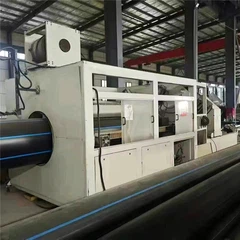
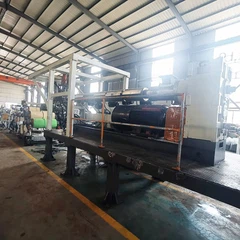
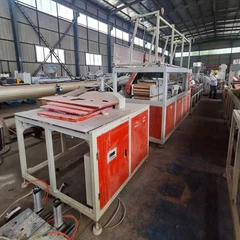
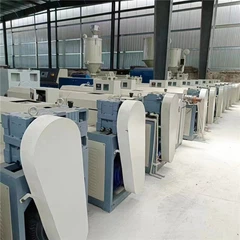

Can a used single screw extruder be used for rubber processing? This is a question that many in the rubber manufacturing industry often ponder. As a supplier of Used Single Screw Extruders, I'll delve into this topic from multiple perspectives to shed light on whether these pre - owned machines can effectively handle rubber processing.
Understanding the Basics of Single Screw Extruders
A single screw extruder consists of a screw rotating within a barrel. The screw's main function is to convey, compress, and melt the raw material as it moves along the barrel. In general, single screw extruders have been widely used in the plastic processing industry for tasks like pelletizing, film extrusion, and pipe production. However, their application in rubber processing is also a topic of interest.
The design of a single screw extruder for rubber processing has some unique requirements compared to those for plastics. Rubber has a different rheological behavior. It is more elastic and has a higher viscosity than most plastics at processing temperatures. The screw design, for instance, needs to be optimized to ensure proper mixing and conveying of the rubber compound. A screw with a larger pitch and a deeper channel may be required to handle the high - viscosity rubber material effectively, allowing it to flow smoothly through the extruder.
Advantages of Using a Used Single Screw Extruder for Rubber Processing
Cost - effectiveness
One of the most significant advantages of opting for a used single screw extruder for rubber processing is cost - savings. New extruders can come with a hefty price tag, which can be a deterrent for small and medium - sized rubber manufacturing enterprises. A used single screw extruder can be acquired at a fraction of the cost of a new one, allowing companies to allocate their capital to other critical areas such as raw material procurement or research and development.


Proven Performance
Many used single screw extruders on the market have already been in operation for a certain period. This means that their performance has been tested in real - world settings. By looking at the machine's operation history, potential buyers can get an idea of its reliability and productivity. If the previous owner used the extruder for rubber - related applications, it can provide valuable insights into how well the machine can handle rubber processing tasks.
Availability of Spare Parts
Since single screw extruders have been around for a long time, there is usually a wide availability of spare parts in the market. This is especially beneficial when using a used machine. In case of any breakdowns or component failures, it is relatively easy to source the necessary parts, reducing downtime and ensuring continuous production.
Challenges of Using a Used Single Screw Extruder for Rubber Processing
Wear and Tear
The most obvious challenge with a used single screw extruder is wear and tear. Over time, the screw and the barrel can experience significant abrasion, especially if the machine has been used extensively. The worn - out parts can lead to inefficient mixing and conveying of the rubber compound, resulting in uneven product quality. For example, if the screw's flight clearance has increased due to wear, it may not be able to provide the necessary compression force on the rubber, affecting the extrusion process.
Outdated Technology
Some used single screw extruders may be based on older technology. This could mean that they lack modern features such as advanced control systems, energy - efficient designs, or precise temperature and pressure regulation. These limitations can make it difficult to achieve high - quality rubber products, especially in today's competitive market where strict quality standards are in place.
Compatibility with Rubber Compounds
Not all used single screw extruders are suitable for all types of rubber compounds. Different rubber materials, such as natural rubber, synthetic rubber, and thermoplastic elastomers, have different processing requirements. A used extruder that was originally designed for a specific type of plastic may not be easily adaptable to rubber processing without significant modifications.
Overcoming the Challenges
Thorough Inspection and Maintenance
Before purchasing a used single screw extruder, a thorough inspection is crucial. This includes checking the condition of the screw, barrel, heating elements, and control systems. Any worn - out parts should be replaced immediately. Regular maintenance can also extend the lifespan of the machine and ensure its optimal performance. For example, lubricating the moving parts, cleaning the barrel, and calibrating the control systems at regular intervals can prevent major breakdowns.
Upgrading the Machine
To address the issue of outdated technology, upgrading the used single screw extruder can be a viable option. This may involve installing a new control system to improve the precision of temperature and pressure control, or adding energy - efficient components to reduce power consumption. Upgrading can significantly enhance the machine's performance and make it more suitable for rubber processing.
Customization
If the used extruder has compatibility issues with rubber compounds, customization can be carried out. This may include modifying the screw design to better suit the rheological properties of the rubber material, or adjusting the barrel temperature profile to ensure proper melting and mixing. Working with experienced engineers can help in making these customizations effectively.
Other Considerations in Rubber Processing with a Used Single Screw Extruder
Safety
Safety is of utmost importance in any manufacturing process, including rubber processing with a used single screw extruder. The machine should be equipped with appropriate safety features such as emergency stop buttons, safety guards, and proper grounding. Operators should be trained on how to use the machine safely to prevent accidents.
Environmental Impact
The rubber processing industry is also under increasing pressure to reduce its environmental impact. When using a used single screw extruder, it is important to consider energy consumption and waste management. Upgrading the machine to be more energy - efficient and implementing proper waste recycling systems can help in reducing the environmental footprint.
Related Products
If a single screw extruder does not fully meet your rubber processing needs, you may also consider other types of used extruders. For instance, a Second Hand Twin Screw Extruder can offer better mixing performance due to the interaction between the two screws. A Second Hand Plastic Extrusion Machine may also be adaptable for some rubber processing applications, and a Second Hand PVC Extruder Machine can provide insights into similar extrusion processes.
Contact for Purchase
In conclusion, a used single screw extruder can be a viable option for rubber processing, provided that the challenges are properly addressed. If you are interested in exploring the possibility of using a used single screw extruder for your rubber manufacturing needs, please feel free to contact us. We can provide you with more detailed information about our inventory, offer technical support, and guide you through the purchasing process.
References
- "Extrusion Process Technology" by Michaeli, W.
- "Rubber Technology: Compounding, Testing, and Applications" by A. Y. Coran