

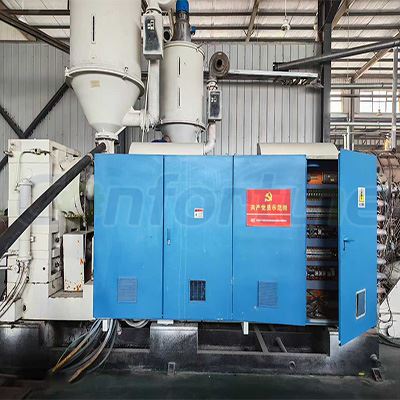
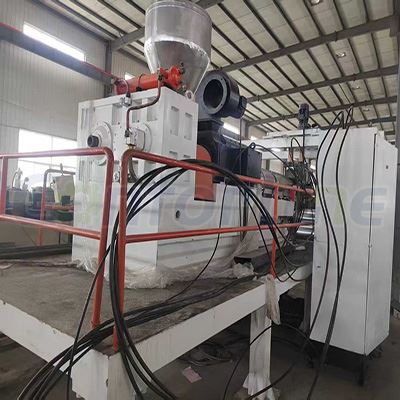
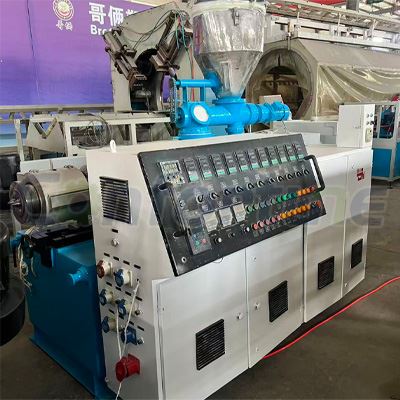
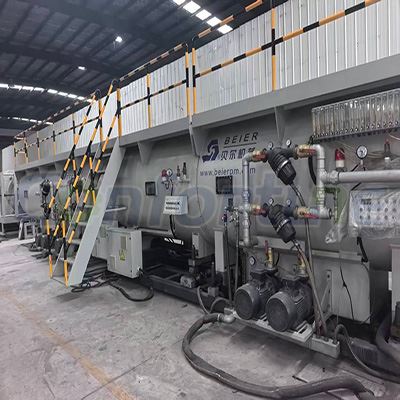
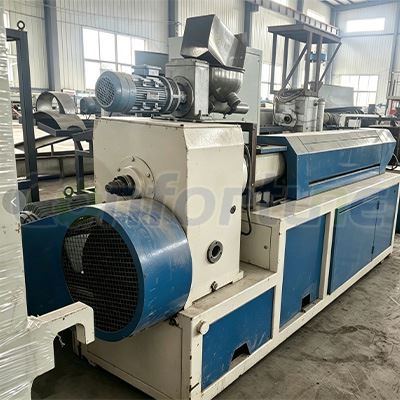
In the dynamic world of industrial manufacturing, the use of used extruder accessories has become a cost - effective alternative for many businesses. As a supplier of used extruder accessories, I often encounter inquiries from clients about the suitability of these accessories in corrosive environments. This blog aims to delve into this topic, providing a comprehensive analysis of whether used extruder accessories can be used in such challenging conditions.
Understanding Corrosive Environments
Corrosive environments are characterized by the presence of substances that can cause the deterioration of materials through chemical reactions. These substances can include acids, alkalis, salts, and certain gases. In industrial settings, corrosive environments are commonly found in chemical processing plants, food and beverage industries, and wastewater treatment facilities.
The impact of corrosion on extruder accessories can be severe. It can lead to the degradation of the material's mechanical properties, such as strength and hardness, and cause surface damage, including pitting, cracking, and rusting. This not only affects the performance and efficiency of the extruder but also shortens its service life.
Factors Affecting the Use of Used Extruder Accessories in Corrosive Environments
Material Selection
The choice of material for used extruder accessories is crucial when considering their use in corrosive environments. Different materials have varying degrees of resistance to corrosion. For example, stainless steel is known for its excellent corrosion resistance due to the presence of chromium, which forms a passive oxide layer on the surface. This layer protects the underlying metal from further corrosion.
On the other hand, carbon steel is more susceptible to corrosion, especially in the presence of moisture and oxygen. However, if the used extruder accessories are made of carbon steel and have been properly coated or treated, they may still be suitable for use in less corrosive environments.
Previous Usage and Condition
The previous usage of the used extruder accessories can significantly impact their performance in corrosive environments. If the accessories have been previously exposed to corrosive substances, they may already have some degree of damage. For instance, if a used extruder screw has been used in a chemical - based extrusion process, it may have surface pits or corrosion marks. These defects can act as initiation points for further corrosion when the screw is placed in a new corrosive environment.


It is essential to thoroughly inspect the used extruder accessories before purchasing them. Look for signs of corrosion, such as rust, discoloration, or surface roughness. A detailed inspection can help identify any pre - existing damage and determine whether the accessories are still suitable for use in a corrosive environment.
Environmental Conditions
The specific conditions of the corrosive environment also play a vital role. Factors such as temperature, humidity, and the concentration of corrosive substances can affect the rate of corrosion. Higher temperatures generally accelerate the corrosion process, as they increase the reactivity of the corrosive agents. Similarly, high humidity levels can provide the necessary moisture for corrosion to occur.
In addition, the type of corrosive substance present in the environment is important. Some substances are more aggressive than others. For example, hydrochloric acid is a strong acid that can cause rapid corrosion of many metals, while milder acids or alkalis may have a slower - acting effect.
Assessing the Suitability of Used Extruder Accessories
Visual Inspection
As mentioned earlier, a visual inspection is the first step in assessing the suitability of used extruder accessories for corrosive environments. Look for any visible signs of corrosion, such as rust, pitting, or flaking paint. Check the surface finish of the accessories. A smooth surface is generally less prone to corrosion than a rough or damaged one.
Material Testing
If possible, conduct material testing on the used extruder accessories. This can include tests to determine the chemical composition of the material, its hardness, and its corrosion resistance. For example, a chemical analysis can confirm whether the material is indeed stainless steel or another corrosion - resistant alloy.
Hardness testing can help identify any changes in the material's mechanical properties due to previous corrosion or wear. Corrosion resistance testing can simulate the actual corrosive environment and measure the rate of corrosion of the accessory.
Compatibility Analysis
Consider the compatibility of the used extruder accessories with the specific corrosive substances in the environment. Some materials may be resistant to certain acids but not to alkalis. For example, aluminum is highly resistant to nitric acid but can be easily corroded by hydrochloric acid.
It is important to consult with a materials expert or a corrosion engineer to determine the best - suited used extruder accessories for a particular corrosive environment.
Examples of Used Extruder Accessories and Their Suitability in Corrosive Environments
Used PVC Pelletizing Production Line
The Used PVC Pelletizing Production Line often involves the use of various extruder accessories, such as screws, barrels, and dies. If these accessories are made of stainless steel or other corrosion - resistant materials, they can be suitable for use in mildly corrosive environments, such as those with low - concentration acids or alkalis.
However, if the production line has been previously used in a highly corrosive PVC compounding process, it is necessary to carefully inspect the accessories for any signs of damage. In some cases, the accessories may need to be re - coated or treated to enhance their corrosion resistance.
Second Hand High and Lower Mixer
The Second Hand High and Lower Mixer is another important used extruder accessory. The mixing blades and the interior of the mixer are in direct contact with the materials being processed. In a corrosive environment, these parts are at risk of corrosion.
If the mixer is made of a corrosion - resistant material and has been well - maintained, it can be used in corrosive environments. However, if there are signs of corrosion on the blades or the mixer body, it may be necessary to replace or repair these parts before use.
Second Hand Laser Printing
The Second Hand Laser Printing equipment used in the extruder process may also be exposed to corrosive substances, especially if the printed products are in contact with chemicals. The printing heads and other components should be made of materials that can withstand corrosion.
For example, if the laser printing equipment is used in a food - processing plant where there may be traces of acids or salts, the components should be made of food - grade stainless steel or other corrosion - resistant materials.
Mitigation Strategies
If used extruder accessories are found to be suitable for use in a corrosive environment but have some limitations, there are several mitigation strategies that can be employed.
Coating and Linings
Applying a protective coating or lining to the used extruder accessories can significantly enhance their corrosion resistance. There are various types of coatings available, such as epoxy coatings, ceramic coatings, and polymer linings. These coatings can act as a barrier between the accessory and the corrosive environment, preventing direct contact and reducing the rate of corrosion.
Regular Maintenance
Regular maintenance is essential for the long - term use of used extruder accessories in corrosive environments. This includes cleaning the accessories regularly to remove any corrosive substances or debris. Inspect the accessories periodically for signs of corrosion or damage. Replace any worn or damaged parts promptly.
Monitoring
Implement a monitoring system to track the performance of the used extruder accessories in the corrosive environment. This can include monitoring the temperature, humidity, and the concentration of corrosive substances in the environment. Regularly measure the thickness of the accessory's walls or the depth of any corrosion pits to detect any changes over time.
Conclusion
In conclusion, used extruder accessories can be used in corrosive environments, but it requires careful consideration and assessment. Factors such as material selection, previous usage, and environmental conditions all play a crucial role in determining the suitability of these accessories.
Thorough inspection, material testing, and compatibility analysis are essential steps in the decision - making process. Mitigation strategies, such as coating, regular maintenance, and monitoring, can help extend the service life of the used extruder accessories in corrosive environments.
If you are in the market for used extruder accessories and have specific requirements regarding their use in corrosive environments, feel free to reach out. We, as a used extruder accessories supplier, are committed to providing high - quality products and professional advice to meet your needs. Contact us to start a discussion about your purchasing requirements and explore the best solutions for your industrial processes.
References
- Fontana, M. G. (1986). Corrosion Engineering. McGraw - Hill.
- Uhlig, H. H., & Revie, R. W. (1985). Corrosion and Corrosion Control. Wiley.
- Schweitzer, P. A. (2004). Corrosion Resistance Tables. Marcel Dekker.