

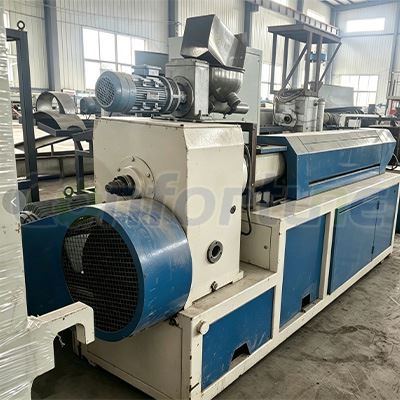
Hey there! As a supplier of second - hand pipe extruders, I often get asked about the output accuracy of these machines. So, I thought I'd sit down and write this blog to share my insights on this topic.
First off, let's understand what output accuracy means in the context of a pipe extruder. Output accuracy refers to how closely the actual output of the extruder matches the desired or set output parameters. These parameters can include things like the diameter, wall thickness, length, and surface finish of the pipes being produced.
When it comes to second - hand pipe extruders, the output accuracy can be affected by a whole bunch of factors. One of the main factors is the age and condition of the machine. Older machines might have worn - out parts, which can lead to inconsistencies in the extrusion process. For example, if the screws inside the extruder are worn, they might not be able to convey the plastic material evenly, resulting in variations in the pipe's wall thickness.
Another factor is the previous usage of the machine. If the second - hand extruder was used in a harsh production environment or was not properly maintained, it could have suffered damage that impacts its accuracy. Maybe it was exposed to high temperatures or corrosive materials, which could have degraded the components over time.
However, don't write off second - hand pipe extruders just yet. There are ways to ensure a decent level of output accuracy. First, a thorough inspection and refurbishment of the machine are crucial. Before selling any of our second - hand extruders, we carry out a detailed check of all the components. We replace any worn - out parts, such as bearings, seals, and screws, to make sure the machine is in top - notch condition.
Let's talk about some specific aspects of output accuracy.
Diameter Accuracy
The diameter of the pipes is a critical parameter, especially in applications where a precise fit is required. In a well - maintained second - hand pipe extruder, the diameter accuracy can be quite good. We use advanced measuring tools during the production process to monitor and adjust the diameter. For instance, laser gauges can provide real - time measurements of the pipe diameter. If there are any deviations from the set value, the extruder's control system can make adjustments to the speed of the extruder or the pressure applied to the material. But remember, achieving high - level diameter accuracy also depends on the quality of the raw materials. If the plastic resin has inconsistent properties, it can cause fluctuations in the pipe diameter.
Wall Thickness Accuracy
Wall thickness is another important factor. In many applications, like plumbing or industrial piping, the wall thickness needs to be within a specific range to ensure the pipe's strength and durability. A second - hand pipe extruder can achieve good wall thickness accuracy if the extrusion process is well - calibrated. We use techniques like pressure sensors and flow control valves to regulate the amount of plastic material being pushed through the die. This helps in maintaining a consistent wall thickness along the length of the pipe. But again, the condition of the machine plays a big role. If the die is damaged or worn, it can lead to uneven wall thickness.
Length Accuracy
Length accuracy is often overlooked but is important, especially when pipes need to be cut to specific lengths for installation. Modern second - hand pipe extruders can be equipped with cutting systems that use sensors to measure the length of the pipe. Once the desired length is reached, the cutting mechanism is activated. However, the accuracy of the length can be affected by factors like the speed of the extruder and the responsiveness of the cutting system.


Surface Finish
The surface finish of the pipes can also impact their quality and performance. A smooth surface is often required for applications where the pipes will be in contact with other components or fluids. In a second - hand pipe extruder, the surface finish can be influenced by the condition of the die and the quality of the plastic material. A well - polished die can produce pipes with a smooth surface. Also, using high - quality plastic resin can reduce the chances of surface defects like streaks or bumps.
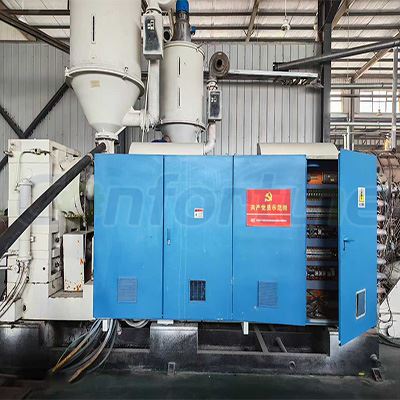
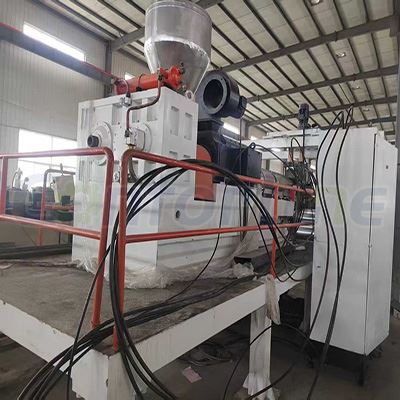
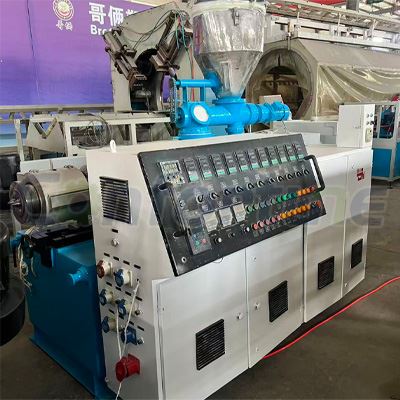
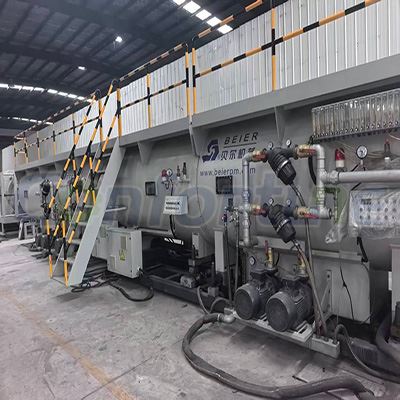
Now, let's look at some of the products we offer. We have a great selection of PVC Pipe Extrusion Machine Line. These machines are designed to produce high - quality PVC pipes with good output accuracy. The extrusion process is carefully controlled to ensure consistent diameter, wall thickness, and surface finish.
Our PVC Granulation equipment is also an important part of the pipe - making process. It helps in preparing the plastic material in a form that can be easily extruded. By ensuring the quality of the granulated material, we can improve the overall output accuracy of the pipe extruder.
And if you're looking for a machine to produce larger pipes, our 160 - 315mm PVC Pipe Extruder is a great option. Despite being a second - hand machine, it has been refurbished to meet high - quality standards and can produce pipes with excellent output accuracy.
In conclusion, the output accuracy of a second - hand pipe extruder can be quite good if the machine is properly inspected, refurbished, and maintained. While there are challenges due to the machine's age and previous usage, modern techniques and careful attention to the production process can help in achieving consistent and accurate results.
If you're in the market for a second - hand pipe extruder and want to learn more about our products and how we ensure output accuracy, feel free to reach out to us. We're always happy to have a chat and discuss your specific requirements. Whether you're a small - scale manufacturer or a large industrial operation, we have the right machine for you.
References
- "Plastics Extrusion Technology Handbook" by Allan A. Griff.
- "Extrusion: The Definitive Processing Guide and Handbook" by Christopher Rauwendaal.