

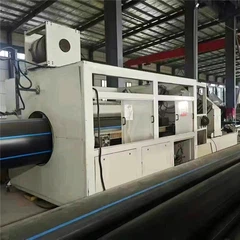
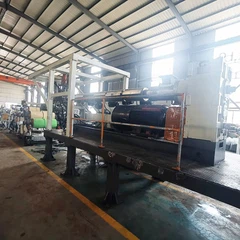
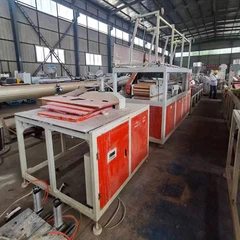
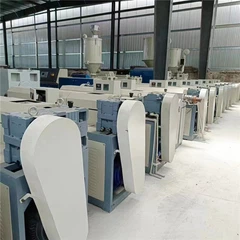

Hey there! As a supplier of Used WPVC Foam Board Machines, I often get asked about how to adjust the production parameters of these machines. It can seem a bit daunting at first, but with the right know - how, it's not as hard as it seems.
First off, let's talk about the basics of a WPVC foam board machine. These machines are pretty amazing as they can produce high - quality PVC foam boards. But to get the best results, you need to fine - tune a bunch of production parameters.
Temperature Settings
One of the most crucial parameters is temperature. Different parts of the machine need to be at the right temperature for the PVC material to melt and form properly. The extruder barrel, for example, usually has multiple heating zones. You've got to set the temperature in each zone according to the type of PVC resin you're using.
If the temperature is too low, the PVC won't melt completely, and you'll end up with uneven boards. On the other hand, if it's too high, the PVC can degrade, which affects the quality of the foam board. As a general rule, start with the manufacturer's recommended temperature settings and then make small adjustments based on the actual production results.
Screw Speed
The screw speed of the extruder is another key factor. It determines how fast the PVC material is pushed through the machine. A higher screw speed can increase the production rate, but it might also lead to poor mixing and uneven foam structure.
If you're going for a high - density foam board, you might want to keep the screw speed a bit lower. This allows for better mixing of the PVC resin and the blowing agent. For a lower - density foam board, you can increase the screw speed slightly, but be careful not to overdo it.
Blowing Agent Dosage
The blowing agent is what creates the foam structure in the PVC board. The right dosage is super important. If you use too little blowing agent, the board won't have enough foam, and it'll be too dense. If you use too much, the foam cells can become too large, and the board might end up being weak.


You need to consider the type of blowing agent you're using and the desired density of the foam board. Usually, you can start with a small amount and gradually increase it while monitoring the quality of the produced boards.
Die Pressure
The die pressure affects the shape and thickness of the foam board. A higher die pressure can result in a smoother surface and more uniform thickness. But if the pressure is too high, it can cause the board to warp or crack.
You can adjust the die pressure by changing the gap in the die or by adjusting the speed of the take - off unit. If the board is coming out too thick, you can increase the die pressure or slow down the take - off speed.
Cooling Rate
Proper cooling is essential for the final quality of the foam board. If the board cools too quickly, it can develop internal stresses, which can lead to warping. If it cools too slowly, the foam cells can collapse, and the board might lose its shape.
You can control the cooling rate by adjusting the water temperature in the cooling tank and the speed at which the board passes through the cooling system. It's a bit of a balancing act, but once you get it right, you'll have high - quality foam boards.
Adjusting Based on Production Issues
Now, let's say you're facing some production issues. Maybe the boards are coming out with a rough surface. This could be due to a variety of reasons. It could be that the temperature is too low, or the screw speed is too high, causing poor mixing.
If the boards are warping, it could be because of uneven cooling or incorrect die pressure. In such cases, you need to go back and check each parameter one by one. Start with the most likely culprits and make small adjustments. Keep a record of the changes you make and the results you get. This way, you can learn from each production run and improve the process over time.
Importance of Regular Maintenance
Adjusting the production parameters is not the only thing you need to do. Regular maintenance of the Used WPVC Foam Board Machine is also crucial. A well - maintained machine will perform better and give you more consistent results.
Check the screws, barrels, and other components regularly for wear and tear. Replace any parts that are damaged or worn out. Keep the machine clean to prevent any blockages in the extruder or the die.
Related Machines
If you're in the market for other types of used machines, we also offer Second Hand PP Sheet Machine and Used PET Sheet Production Line. These machines can be a great addition to your production setup if you're looking to diversify your product range.
Contact for Purchase and Consultation
If you're interested in our Used WPVC Foam Board Machine or have any questions about adjusting the production parameters, don't hesitate to reach out. We're here to help you get the most out of your machine and ensure a smooth production process.
References
- General knowledge of PVC foam board production technology.
- Manufacturer's manuals for WPVC foam board machines.