

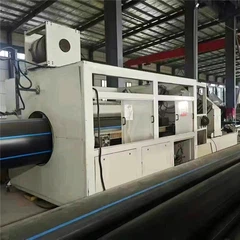
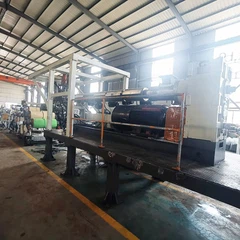
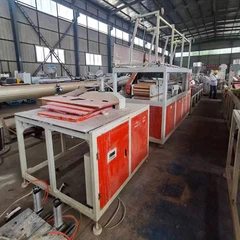
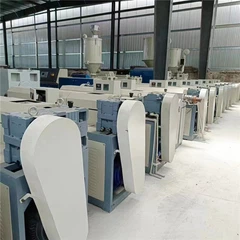

Troubleshooting electrical problems in a used corrugated pipe machine can be a daunting task, especially if you're not familiar with the intricacies of electrical systems. As a supplier of Used Corrugated Pipe Machine, I've encountered various electrical issues over the years. In this blog, I'll share some practical steps and tips to help you diagnose and resolve common electrical problems in your used corrugated pipe machine.
Understanding the Basics of the Electrical System
Before you start troubleshooting, it's essential to have a basic understanding of the electrical system in your corrugated pipe machine. The electrical system typically consists of a power supply, control panel, motors, sensors, and wiring. The power supply provides electricity to the machine, while the control panel allows you to operate and monitor the machine's functions. Motors are responsible for driving the various components of the machine, and sensors are used to detect and measure different parameters such as temperature, pressure, and speed.
Common Electrical Problems and Their Symptoms
Here are some common electrical problems you may encounter in a used corrugated pipe machine and their symptoms:
1. Power Supply Issues
- No power: If the machine doesn't turn on at all, it could be due to a problem with the power supply. Check if the power cord is plugged in properly and if the circuit breaker has tripped. You can also use a multimeter to test the voltage at the power outlet.
- Low voltage: Low voltage can cause the machine to operate inefficiently or not at all. This could be due to a problem with the power grid, a faulty transformer, or a loose connection. Use a multimeter to measure the voltage at the machine's power input.
2. Control Panel Problems
- Display issues: If the display on the control panel is not working or showing incorrect information, it could be due to a faulty display unit or a problem with the control board. Check the connections between the display unit and the control board and look for any signs of damage.
- Button or switch problems: If the buttons or switches on the control panel are not working, it could be due to a loose connection, a faulty switch, or a problem with the control board. Check the connections and test the switches with a multimeter.
3. Motor Problems
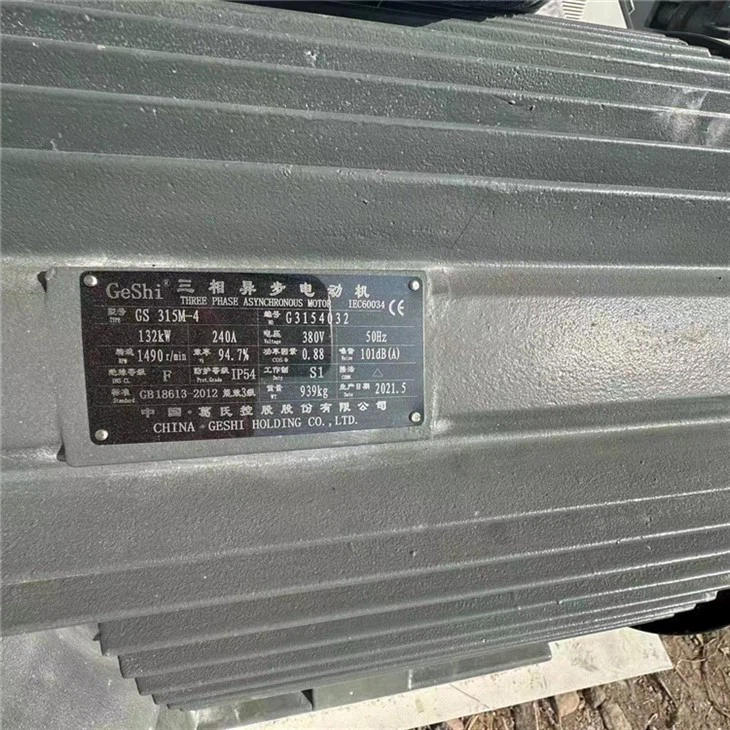
- Motor not running: If a motor is not running, it could be due to a problem with the motor itself, the motor controller, or the wiring. Check the motor's connections, look for any signs of damage, and test the motor's resistance with a multimeter.
- Motor overheating: Overheating can be caused by a variety of factors, including a faulty motor, a blocked ventilation system, or an overloaded motor. Check the motor's ventilation system, look for any signs of damage, and reduce the load on the motor if necessary.
4. Sensor Problems
- Inaccurate readings: If the sensors are providing inaccurate readings, it could be due to a problem with the sensor itself, the wiring, or the control system. Check the sensor's connections, look for any signs of damage, and calibrate the sensors if necessary.
- No readings: If a sensor is not providing any readings, it could be due to a faulty sensor, a broken wire, or a problem with the control system. Check the sensor's connections, look for any signs of damage, and test the sensor with a multimeter.
Troubleshooting Steps
Now that you're familiar with some common electrical problems and their symptoms, here are some steps you can take to troubleshoot electrical issues in your used corrugated pipe machine:
1. Safety First
Before you start troubleshooting, make sure the machine is turned off and unplugged to avoid the risk of electric shock. Wear appropriate safety gear, such as gloves and safety glasses.
2. Visual Inspection
Perform a visual inspection of the electrical system to look for any obvious signs of damage, such as frayed wires, loose connections, or burnt components. Check the wiring harnesses, connectors, and terminals for any signs of wear or corrosion.
3. Check the Power Supply
Use a multimeter to test the voltage at the power outlet and at the machine's power input. Make sure the voltage is within the specified range for the machine. If the voltage is low or unstable, check the power grid, the transformer, and the wiring for any problems.
4. Check the Control Panel
Test the buttons and switches on the control panel to make sure they are working properly. Check the display unit for any signs of damage or malfunction. If necessary, remove the control panel cover and check the connections and components inside.
5. Check the Motors
Test the motors' resistance with a multimeter to make sure they are functioning properly. Check the motor's connections, look for any signs of damage, and make sure the motor is properly grounded. If the motor is overheating, check the ventilation system and reduce the load on the motor if necessary.
6. Check the Sensors
Test the sensors with a multimeter to make sure they are providing accurate readings. Check the sensor's connections, look for any signs of damage, and calibrate the sensors if necessary. If a sensor is not providing any readings, check the wiring and the control system for any problems.
7. Refer to the Manual
If you're still having trouble troubleshooting the electrical problems, refer to the machine's manual for specific instructions and troubleshooting guides. The manual may also provide information on the electrical system's specifications and wiring diagrams.
When to Seek Professional Help
While some electrical problems can be easily resolved by following the troubleshooting steps outlined above, there are times when it's best to seek professional help. If you're not comfortable working with electrical systems or if you're unable to diagnose and resolve the problem on your own, it's recommended to contact a qualified electrician or a technician with experience in corrugated pipe machines.
Conclusion
Troubleshooting electrical problems in a used corrugated pipe machine requires a basic understanding of the electrical system and some practical skills. By following the steps outlined in this blog, you can diagnose and resolve common electrical problems in your machine. However, if you're unsure or uncomfortable working with electrical systems, it's always best to seek professional help.
If you're in the market for a Used Twin Screw Extruder or a Second-hand Plastic Granulation Machine, we're here to help. Our team of experts can provide you with the information and support you need to make an informed decision. Contact us today to discuss your requirements and start the procurement process.

References
- Electrical Engineering Handbook, Third Edition by Richard C. Dorf
- Troubleshooting and Repairing Electronic Equipment by Jeff Bachiochi