

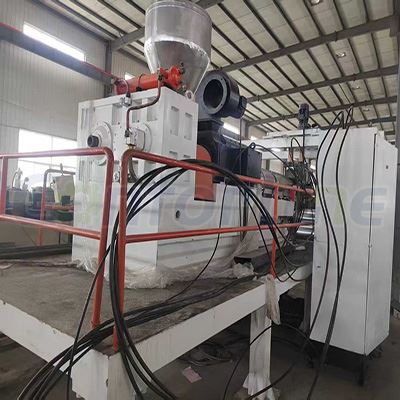
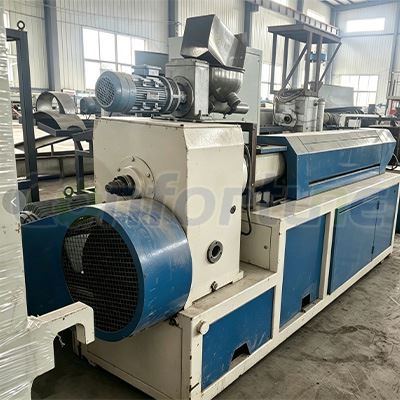
As a long - standing supplier of Old HDPE Pipe Machines, I understand the importance of proper cleaning and maintenance for these valuable pieces of equipment. An old HDPE pipe machine, over time, accumulates dirt, debris, and residues from the manufacturing process. Cleaning it not only extends its lifespan but also ensures the quality of the pipes it produces. In this blog, I will share some detailed steps and tips on how to clean an old HDPE pipe machine effectively.
Pre - cleaning Preparations
Before you start the cleaning process, it's crucial to take some necessary precautions. First, ensure that the machine is completely powered off. This is a basic safety measure to prevent any electrical accidents during the cleaning. You should also wear appropriate personal protective equipment (PPE), such as gloves and safety glasses, to protect yourself from any potential hazards, like sharp edges or chemical residues.
Next, gather all the cleaning tools and materials you'll need. These may include a variety of brushes (wire brushes for stubborn dirt and soft - bristle brushes for more delicate parts), cleaning solvents suitable for HDPE materials, rags, and a vacuum cleaner. Make sure the cleaning solvents are compatible with the machine's components to avoid any damage.
Cleaning the Exterior
The exterior of the old HDPE pipe machine is often the first area to show signs of dirt and grime. Start by using a dry rag to wipe away any loose dust and debris. This initial step helps to prevent scratching the machine's surface when you move on to more intensive cleaning.
For stubborn stains and grease, apply a small amount of the appropriate cleaning solvent to a rag. Gently rub the affected areas in a circular motion. Be careful not to use too much solvent, as it may seep into the machine's internal parts and cause damage. After cleaning, use a clean, dry rag to wipe off any remaining solvent.
If there are any rust spots on the exterior, a wire brush can be used to remove them. However, be cautious not to scratch the paint or the underlying metal. Once the rust is removed, you can apply a rust - preventive coating to protect the area from future corrosion.


Cleaning the Hopper
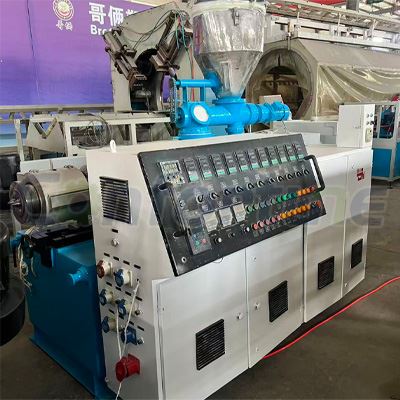
The hopper is where the HDPE raw material is loaded into the machine. Over time, it can accumulate leftover plastic particles, dust, and other contaminants. Begin by emptying the hopper of any remaining raw material. Use a vacuum cleaner to remove loose debris from the hopper's interior.
For more stubborn residues, a soft - bristle brush can be used in combination with a mild cleaning solution. Scrub the hopper's walls and bottom gently to avoid damaging the surface. Rinse the hopper thoroughly with clean water to remove any traces of the cleaning solution. Make sure the hopper is completely dry before refilling it with raw material.
Cleaning the Extrusion Screw
The extrusion screw is a critical component of the HDPE pipe machine, as it is responsible for melting and pushing the plastic through the die. Cleaning the extrusion screw requires more careful attention.
First, remove the screw from the machine following the manufacturer's instructions. This may involve disassembling some parts of the machine, so make sure you are familiar with the process. Once the screw is removed, use a wire brush to remove any hardened plastic and debris from the screw's threads.
Soak the screw in a suitable cleaning solvent for a period of time to loosen any remaining residues. After soaking, use a brush to scrub the screw thoroughly. Rinse the screw with clean water and dry it completely before reinstalling it. It's important to note that the cleaning solvent should be chosen carefully to avoid damaging the screw's surface.
Cleaning the Die
The die is where the molten plastic takes the shape of the pipe. It can become clogged with plastic residues, which can affect the quality of the pipes produced. To clean the die, first, remove it from the machine.
Use a soft - bristle brush and a cleaning solvent to clean the die's interior and exterior surfaces. Pay special attention to the die's opening, as this is where the plastic flows out. Remove any blockages or residues gently to ensure a smooth flow of plastic. After cleaning, rinse the die with clean water and dry it thoroughly.
Cleaning the Cooling System
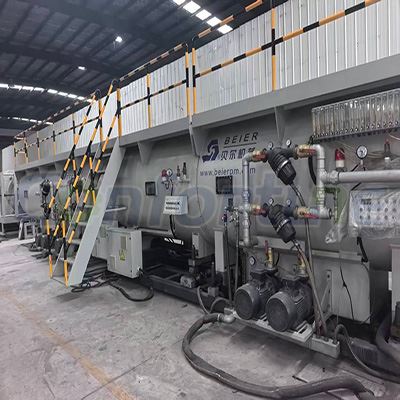
The cooling system of the HDPE pipe machine is essential for maintaining the proper temperature of the pipes during the manufacturing process. Over time, the cooling system can accumulate scale, sediment, and other contaminants.
Start by draining the cooling water from the system. Use a descaling agent to remove scale and sediment from the pipes and other components of the cooling system. Follow the manufacturer's instructions when using the descaling agent to ensure safe and effective cleaning.
After descaling, flush the cooling system with clean water several times to remove any remaining descaling agent and debris. Refill the cooling system with fresh, clean water and check for any leaks.
Cleaning the Electrical Components
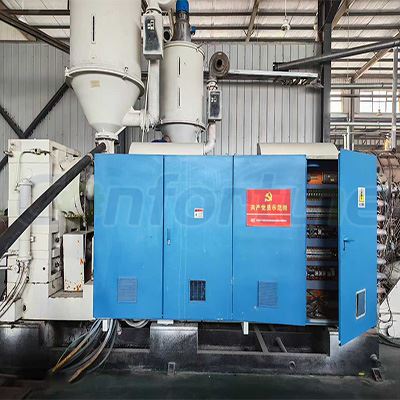
Cleaning the electrical components of the old HDPE pipe machine requires extra caution. First, make sure the power is completely disconnected. Use a dry, soft - bristle brush to remove any dust and debris from the electrical panels, switches, and connectors.
A compressed air can be used to blow out any hard - to - reach dust particles. However, be careful not to use too much pressure, as it may damage the delicate electrical components. If there are any signs of corrosion on the electrical connectors, a small amount of electrical contact cleaner can be used to clean them.
Post - cleaning Inspection
Once the cleaning process is complete, it's important to conduct a thorough inspection of the machine. Check all the components for any signs of damage or wear that may have been revealed during the cleaning. Make sure all the parts are properly reinstalled and tightened.
Test the machine to ensure it is functioning properly. Start with a low - speed test to check for any unusual noises or vibrations. If everything seems normal, gradually increase the speed and monitor the machine's performance.
Maintenance Tips for Long - term Use
Regular cleaning is just one part of maintaining an old HDPE pipe machine. To ensure its long - term performance, it's important to follow a regular maintenance schedule. This may include lubricating moving parts, checking and tightening bolts and nuts, and inspecting electrical connections.
Also, keep a record of all the maintenance and cleaning activities. This record can help you identify any recurring problems and plan for future maintenance more effectively.
In conclusion, cleaning an old HDPE pipe machine is a comprehensive process that requires attention to detail and the use of appropriate tools and materials. By following these steps, you can keep your machine in good condition and ensure the production of high - quality HDPE pipes.
If you are interested in our Old Hdpe Pipe Extrusion Machine, Second - hand PE Three - layer Production Line, or Used - Second Hand PE Pipe Extrusion Line, please feel free to contact us for more information and to discuss your specific requirements. We are always ready to provide you with the best solutions for your pipe manufacturing needs.
References
- "HDPE Pipe Manufacturing Technology" - Industry handbook on HDPE pipe production and machine maintenance.
- Manufacturer's manuals for Old HDPE Pipe Machines.