

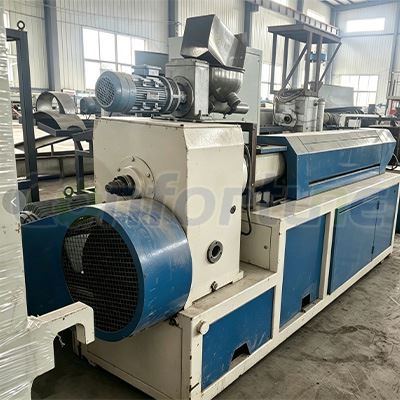
Hey there! As a supplier of second - hand extruder machines, I know how crucial it is to inspect these machines thoroughly before making a purchase. Buying a second - hand extruder can be a great cost - effective solution, but you've got to make sure you're getting a good deal. In this blog, I'll share some tips on how to inspect a second - hand extruder machine before buying.
1. Physical Inspection
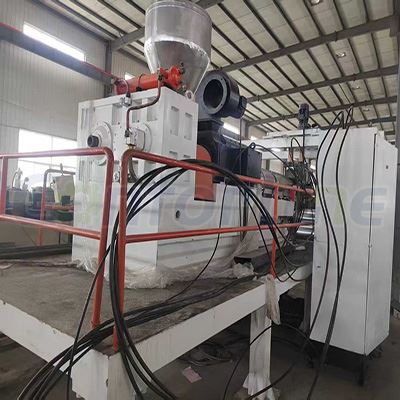
First off, take a good look at the overall physical condition of the machine. Check for any signs of excessive wear and tear, like cracks, dents, or rust. Rust can be a big red flag as it may indicate that the machine has been exposed to moisture, which could lead to further corrosion and mechanical issues down the line.
Inspect the frame of the extruder. It should be sturdy and well - built. A wobbly or bent frame can cause problems with the alignment of the machine's components, leading to uneven extrusion and poor product quality. Make sure all the bolts and nuts are tightened properly. Loose fasteners can cause vibrations during operation, which not only affect the performance of the machine but also pose a safety risk.
2. Screw and Barrel Inspection
The screw and barrel are the heart of an extruder machine. They play a vital role in melting, mixing, and conveying the plastic material. Check the screw for signs of wear. The flight of the screw should be sharp and well - defined. If the flight is worn down, it won't be able to convey the material efficiently, resulting in reduced output and inconsistent product quality.
Look at the barrel as well. There should be no signs of scoring or damage on the inner surface. Scoring can cause material to stick to the barrel, leading to blockages and increased energy consumption. You can use a flashlight to get a better look inside the barrel.
3. Motor and Drive System
The motor and drive system are responsible for powering the extruder. Check the motor for any unusual noises or vibrations when it's running. If you hear a grinding or rattling sound, it could indicate a problem with the bearings or other internal components.
Inspect the drive belts or chains. They should be in good condition, without any signs of cracking, fraying, or excessive wear. Loose or worn - out belts or chains can cause slippage, which will affect the speed and torque of the extruder. Make sure the tension of the belts or chains is properly adjusted.
4. Heating and Cooling System
The heating and cooling system is essential for maintaining the right temperature during the extrusion process. Check the heating elements. They should be functioning properly and providing uniform heat. You can use a temperature gun to measure the temperature at different points along the barrel to ensure that the heating is consistent.
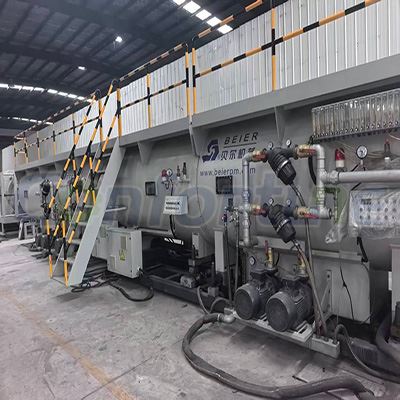
Inspect the cooling system, which usually consists of water jackets or air - cooling fins. Make sure there are no leaks in the water jackets if it's a water - cooled system. For air - cooled systems, check that the fins are clean and not blocked, as this can affect the cooling efficiency.
5. Electrical System
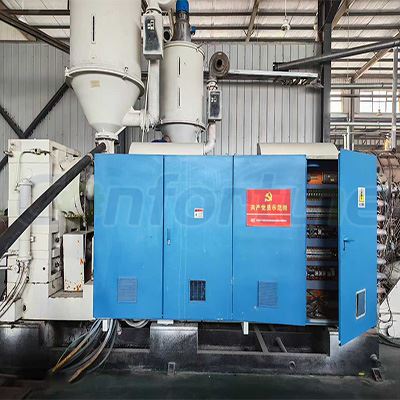
The electrical system of the extruder is another critical area to inspect. Check all the electrical connections for signs of corrosion or loose wires. Loose connections can cause electrical shorts, which are not only dangerous but can also damage the machine.
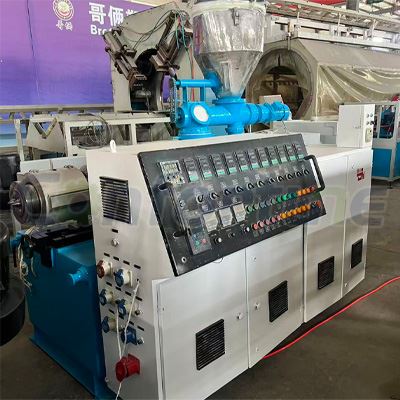
Inspect the control panel. All the buttons, switches, and indicators should be working properly. Test the emergency stop button to make sure it functions as it should. A malfunctioning control panel can make it difficult to operate the machine safely and efficiently.
6. Extrusion Die and Head
The extrusion die and head are responsible for shaping the extruded material. Check the die for any signs of damage or wear. The opening of the die should be clean and free of any blockages. If the die is damaged, it will result in poor - quality products with irregular shapes.
Inspect the die head for proper alignment. Misaligned die heads can cause the extruded material to come out unevenly, leading to waste and production issues.


7. Operational Test
Once you've completed the physical inspection, it's time to run an operational test. Start the machine and let it warm up for a while. Observe the extrusion process carefully. The material should be extruded smoothly and consistently. Check the output rate and make sure it meets your requirements.
Look for any signs of smoke, strange odors, or excessive noise during the operation. These could be indicators of underlying problems with the machine. Also, check the quality of the extruded product. It should have a uniform shape, size, and surface finish.
Related Products
If you're interested in other types of second - hand extruder equipment, we also have some great options available. For example, we have the Drip Irrigation Belt Coiling Machine, which is perfect for producing drip irrigation belts. We also offer the Used Single Screw Extruder, a reliable choice for various extrusion applications. And if you're in the market for a machine to produce PET sheets, our Used Pet Sheet Line Machine might be just what you need.
Conclusion
Inspecting a second - hand extruder machine before buying is a must - do step to ensure that you're getting a reliable and efficient machine. By following these tips, you can minimize the risks associated with buying used equipment and make a smart investment. If you have any questions or are interested in purchasing a second - hand extruder machine, don't hesitate to reach out. We're here to help you find the right machine for your needs.
References
- Extrusion Technology Handbook, Third Edition by Allan A. Griff
- Plastics Extrusion Technology by Christopher Rauwendaal