

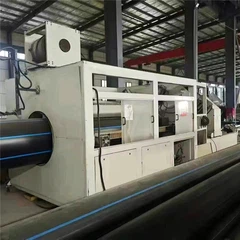
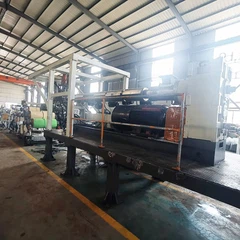
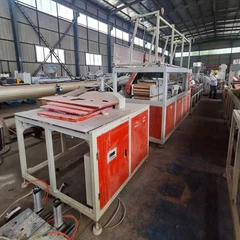
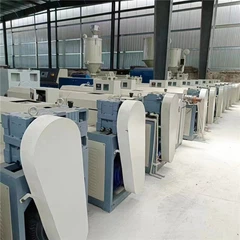

As a seasoned supplier of used pipe machines, I understand the paramount importance of ensuring the stability of these machines during operation. A stable pipe machine not only guarantees high - quality production but also reduces downtime and maintenance costs. In this blog, I'll share some effective strategies to ensure the stability of a used pipe machine during its operation.
1. Thorough Pre - operation Inspection
Before starting the used pipe machine, a comprehensive inspection is essential. First, check the mechanical components. Examine the screws, bolts, and nuts to ensure they are tightly fastened. Loose fasteners can cause vibrations during operation, which may lead to misalignment and damage to the machine. For example, if the bolts on the extruder barrel are loose, it can result in uneven pressure distribution, affecting the quality of the pipes produced.
Inspect the electrical system as well. Look for any signs of frayed wires, loose connections, or damaged electrical components. Faulty electrical systems can cause sudden shutdowns or malfunctions. A short - circuit in the control panel can disrupt the entire operation of the machine. Make sure all safety switches are functioning properly to prevent any potential hazards.
The lubrication system is another crucial aspect. Check the oil levels in the gearboxes, bearings, and other moving parts. Proper lubrication reduces friction and wear, which is vital for the long - term stability of the machine. If the lubrication is insufficient, the parts will overheat, leading to premature failure.
2. Quality Feedstock
The quality of the feedstock used in the pipe machine has a significant impact on its stability. Use high - quality raw materials that meet the specifications of the machine. For PVC pipe production, for instance, the PVC resin should have the right molecular weight and density. Low - quality feedstock can cause blockages in the extruder, leading to inconsistent production and potential damage to the machine.
Contaminated feedstock can also be a problem. Ensure that the raw materials are free from dirt, debris, and other foreign particles. These contaminants can scratch the inner surfaces of the extruder barrel and screws, affecting the extrusion process. For more information on PVC - related production, you can visit PVC Granulation.
3. Proper Machine Settings
Correct machine settings are key to ensuring stability. Set the temperature, pressure, and speed according to the type of pipe being produced and the characteristics of the feedstock. For example, different PVC pipes may require different extrusion temperatures. If the temperature is too high, the PVC may degrade, resulting in poor - quality pipes and potential damage to the machine.
The screw speed also needs to be adjusted properly. A too - high screw speed can cause excessive shear stress, leading to overheating and uneven melting of the feedstock. On the other hand, a too - low speed may result in incomplete melting and poor extrusion.
4. Regular Maintenance
Regular maintenance is the cornerstone of a stable used pipe machine. Develop a maintenance schedule and stick to it. This includes daily, weekly, monthly, and annual maintenance tasks.
Daily maintenance should involve cleaning the machine, checking the lubrication levels, and inspecting for any visible signs of wear or damage. Weekly maintenance may include more in - depth inspections of the electrical and mechanical components, as well as tightening any loose parts.
Monthly maintenance could involve more comprehensive tasks such as replacing worn - out parts, checking the alignment of the machine, and calibrating the sensors. Annual maintenance should be a thorough overhaul of the machine, including disassembly, cleaning, and replacement of major components if necessary.
5. Operator Training
Well - trained operators are essential for the stable operation of a used pipe machine. Provide comprehensive training to your operators on how to operate the machine safely and efficiently. They should be familiar with the machine's controls, settings, and safety procedures.
Operators should also be trained to identify early signs of problems, such as abnormal noises, vibrations, or changes in the quality of the produced pipes. By detecting issues early, they can take appropriate measures to prevent major breakdowns.
6. Monitoring and Data Analysis
Install monitoring systems on the used pipe machine to track its performance. These systems can collect data on parameters such as temperature, pressure, speed, and power consumption. Analyzing this data can help identify trends and potential problems.
For example, if the power consumption suddenly increases, it may indicate a problem with the motor or a blockage in the extruder. By monitoring these parameters continuously, you can take proactive measures to address issues before they lead to machine failures.
7. Upgrading and Retrofit
As technology advances, consider upgrading and retrofitting your used pipe machine. Upgrading the control system can improve the machine's accuracy and stability. For example, installing a modern programmable logic controller (PLC) can provide more precise control over the machine's functions.

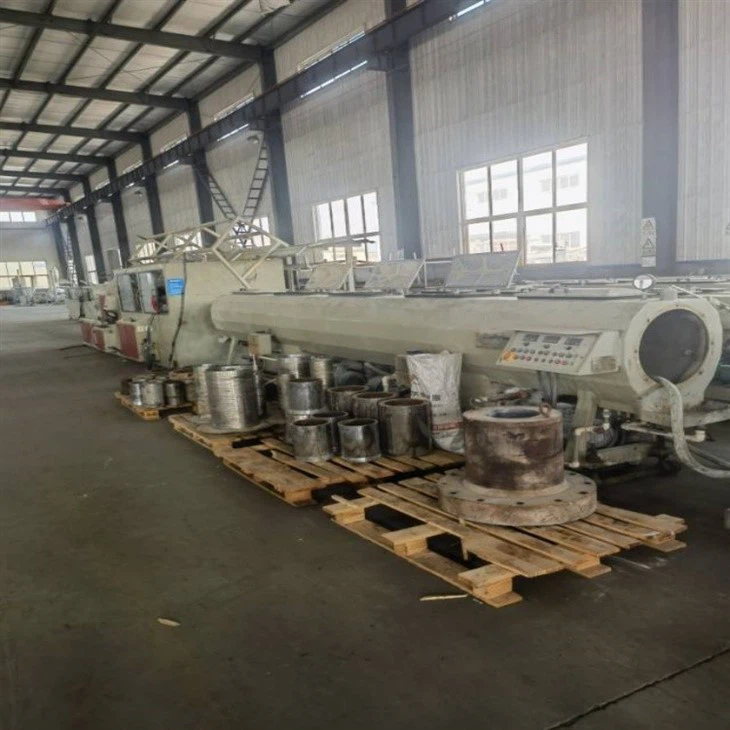
Retrofitting the machine with new components, such as more efficient screws or better - quality heaters, can also enhance its performance. This can lead to improved product quality and reduced energy consumption.
8. Spare Parts Management
Maintain an inventory of essential spare parts for the used pipe machine. This ensures that you can quickly replace any faulty parts when needed, minimizing downtime. Keep track of the usage and lifespan of the spare parts, and restock them in a timely manner.
When purchasing spare parts, make sure they are of high quality and compatible with your machine. Using low - quality or incompatible parts can cause more problems and affect the stability of the machine.
Conclusion
Ensuring the stability of a used pipe machine during operation requires a comprehensive approach. By conducting thorough pre - operation inspections, using high - quality feedstock, setting the machine correctly, performing regular maintenance, training operators, monitoring performance, upgrading the machine, and managing spare parts, you can significantly improve the stability and reliability of your used pipe machine.
If you are in the market for a used pipe machine or need further advice on ensuring its stability, we are here to help. We offer a wide range of used pipe machines, including the 75mm - 315mm PVC Pipe Line and Old Pvc Pipe Production Line. Contact us to discuss your specific requirements and start a successful procurement process.
References
- "Handbook of Plastic Pipe Systems" by David W. Baird and John A. Collias
- "Extrusion of Plastics: Theory and Practice" by Chris Rauwendaal