

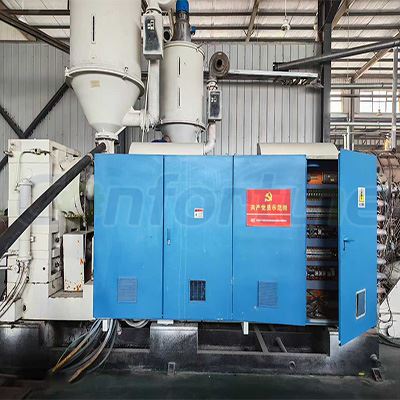
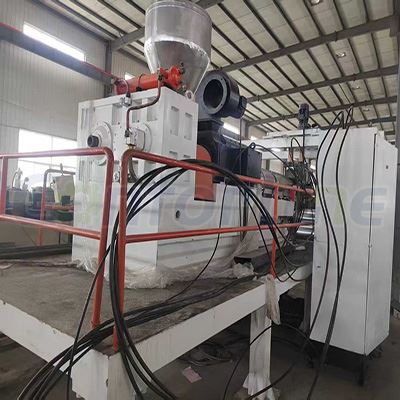
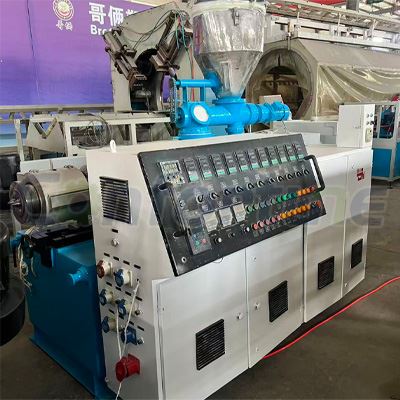
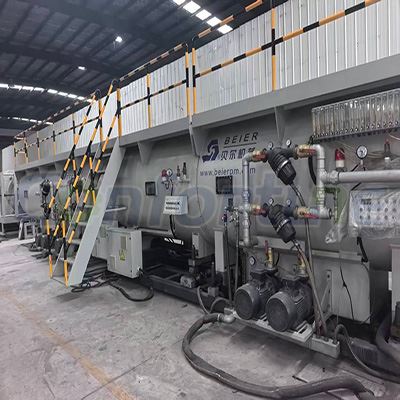
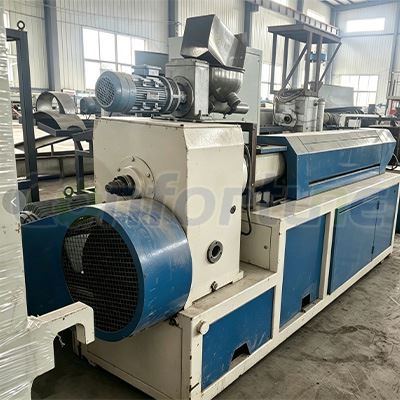
Hey there! As a supplier of used plate extruder machines, I've seen firsthand the challenges that come with getting top - notch plate quality from these machines. In this blog, I'm gonna share some tips and tricks on how to improve the quality of plates produced by a used plate extruder machine.
1. Machine Inspection and Maintenance
Before you even start thinking about production, it's crucial to give your used plate extruder machine a thorough inspection. Just like a car, if it's not in good shape, it won't perform well. Check all the mechanical parts for wear and tear. The screws, barrels, and dies are the heart of the machine, and any damage to them can lead to poor plate quality.
For instance, a worn - out screw might not convey the plastic material evenly, resulting in inconsistent thickness across the plate. Regularly lubricate all moving parts to reduce friction and prevent overheating. A well - lubricated machine runs smoother and can produce better - quality plates. Also, make sure to clean the machine after each use. Residual plastic can build up over time and contaminate the next batch of plates.
2. Material Selection
The quality of the plastic material you use has a direct impact on the quality of the plates. Not all plastics are created equal, and you need to choose the right one for your application. Consider factors like the melting point, viscosity, and strength of the plastic.
For example, if you're making plates that need to be strong and durable, you might want to go for a high - density polyethylene (HDPE). On the other hand, if flexibility is more important, a low - density polyethylene (LDPE) could be a better choice. Also, make sure the plastic is free from impurities. Contaminated plastic can cause defects in the plates, such as bubbles or streaks. You can check out our Second - hand Plastic Sheet Production Line to see what kind of materials work best with our machines.
3. Temperature Control
Temperature is a critical factor in plate extrusion. Different plastics have different optimal processing temperatures, and you need to get this right. If the temperature is too low, the plastic might not melt properly, leading to a rough and uneven surface on the plates. Conversely, if the temperature is too high, the plastic can degrade, resulting in a loss of strength and other mechanical properties.
Most used plate extruder machines come with temperature control systems, but you need to calibrate them regularly to ensure accuracy. Monitor the temperature at different points in the machine, such as the barrel, die, and cooling zone. You can use thermocouples or infrared thermometers for this purpose. Adjust the temperature settings based on the type of plastic you're using and the thickness of the plates you want to produce.
4. Screw Design and Configuration
The screw in a plate extruder machine plays a vital role in melting, mixing, and conveying the plastic material. Different screw designs are suitable for different types of plastics and production requirements. For example, a single - flight screw is simple and cost - effective, but it might not provide as good a mixing as a multi - flight screw.
If your used plate extruder machine has a screw that's not well - suited for the plastic you're using, you might consider replacing it. You can also adjust the screw speed to optimize the plastic flow. A higher screw speed can increase the output, but it might also lead to more shear heat, which can affect the plastic quality. So, you need to find the right balance.
5. Die Design and Maintenance
The die is the final component that shapes the molten plastic into a plate. A well - designed die is essential for producing plates with uniform thickness and smooth edges. Check the die for any blockages or damage. Even a small scratch on the die surface can cause a visible defect on the plate.
Regularly clean the die to remove any plastic residue. You can use specialized cleaning agents and tools for this purpose. If the die is worn out, you might need to replace it. A new die can significantly improve the quality of the plates. Our Used PP Sheet Productione Line comes with high - quality dies that are designed to produce top - notch plates.
6. Cooling Process
After the plate comes out of the die, it needs to be cooled quickly and evenly. Uneven cooling can cause the plate to warp or develop internal stresses, which can affect its strength and appearance. There are different cooling methods available, such as air cooling and water cooling.

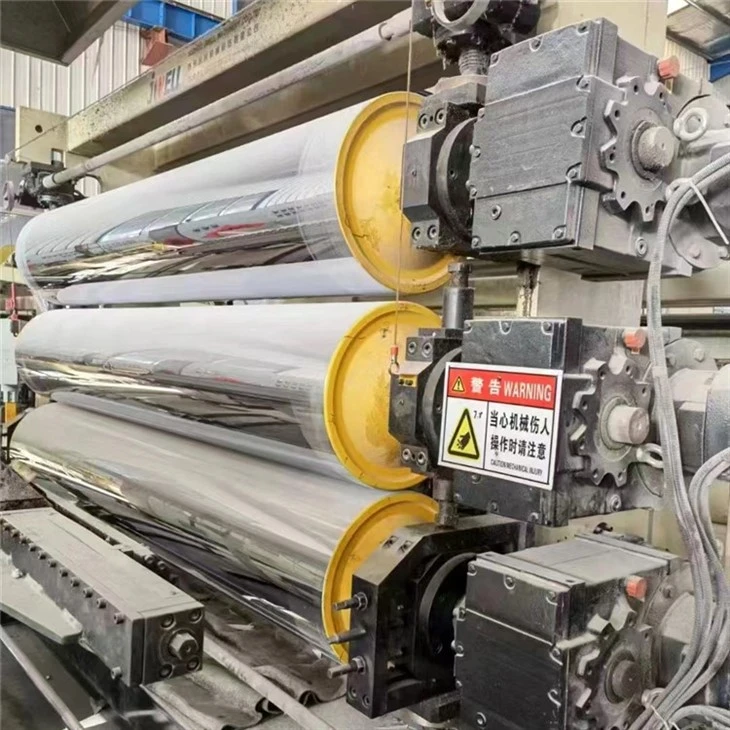
Air cooling is simple and cost - effective, but it might not be as efficient as water cooling for thicker plates. Water cooling can provide faster and more uniform cooling, but you need to make sure the water is clean and at the right temperature. You can also adjust the cooling rate by controlling the speed at which the plate passes through the cooling zone.
7. Quality Control Checks
Implement a strict quality control process to ensure that the plates meet your standards. Regularly measure the thickness, width, and length of the plates. You can use calipers, micrometers, and other measuring tools for this purpose. Check the surface of the plates for any defects, such as bubbles, cracks, or streaks.
If you find any defective plates, analyze the cause and take corrective action immediately. This could involve adjusting the machine settings, changing the material, or performing maintenance on the machine. By catching and fixing problems early, you can avoid producing large batches of defective plates.
8. Operator Training
Even the best - maintained machine and the highest - quality materials won't produce great plates if the operator doesn't know how to use the machine properly. Make sure your operators are well - trained in all aspects of plate extrusion, including machine operation, material handling, and quality control.
Provide regular training sessions to keep your operators up - to - date with the latest techniques and best practices. Encourage them to share their experiences and ideas for improving the production process. A skilled and knowledgeable operator can make a big difference in the quality of the plates produced.
In conclusion, improving the quality of plates produced by a used plate extruder machine requires a combination of proper machine maintenance, material selection, temperature control, and quality control checks. By following these tips, you can produce high - quality plates that meet the needs of your customers.
If you're in the market for a used plate extruder machine or need more information on how to improve your plate production, don't hesitate to reach out. We're here to help you get the most out of your investment. You can also explore our PE Pipe Machine if you're interested in other types of plastic extrusion equipment.
References
- Plastics Extrusion Technology Handbook, by Allan A. Griff
- Injection Molding Handbook, by O. Olszewski