

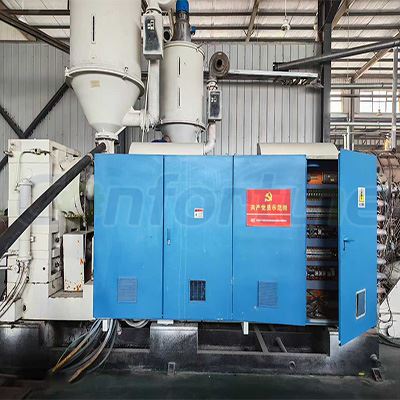
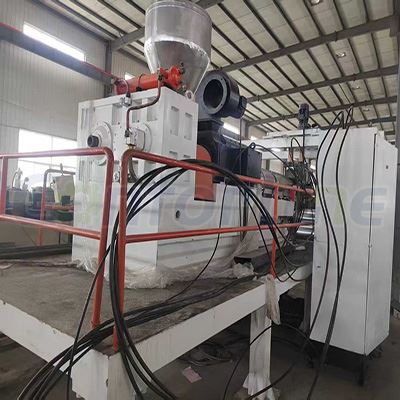
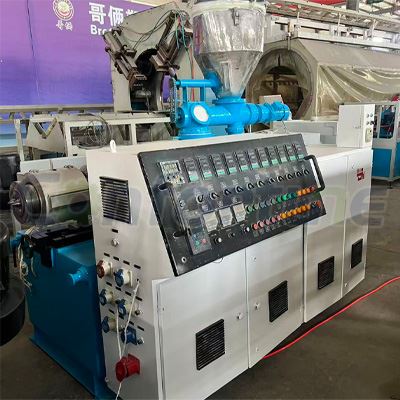
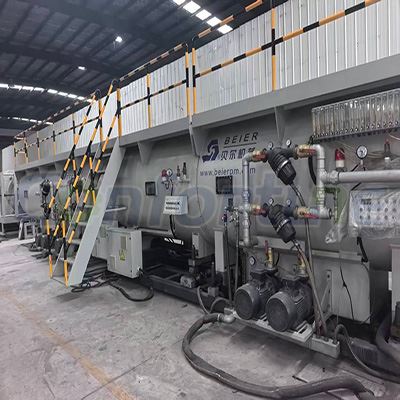
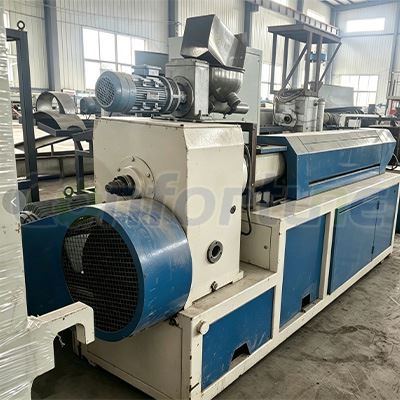
In the dynamic landscape of the corrugated pipe manufacturing industry, the efficiency and longevity of used corrugated pipe machines are of paramount importance. One critical aspect that directly impacts the performance and cost - effectiveness of these machines is the wear resistance of their parts. As a seasoned supplier of used corrugated pipe machines, I have witnessed firsthand the challenges that operators face due to rapid part wear. In this blog, I will share some practical strategies on how to improve the wear resistance of parts in a used corrugated pipe machine.


Understanding the Causes of Wear in Corrugated Pipe Machines
Before delving into the solutions, it is essential to understand the root causes of wear in used corrugated pipe machines. The primary factors contributing to part wear include friction, abrasion, corrosion, and fatigue. Friction occurs when two surfaces rub against each other during the machine's operation, leading to the gradual removal of material from the contacting parts. Abrasion is caused by the presence of hard particles, such as dust or debris, which can scratch and erode the surface of the parts. Corrosion, on the other hand, is the result of chemical reactions between the metal parts and the surrounding environment, such as moisture or chemicals in the raw materials. Fatigue is a long - term effect that occurs when parts are subjected to repeated stress cycles, leading to the formation and propagation of cracks.
Material Selection
One of the most fundamental ways to improve wear resistance is through proper material selection. When replacing worn - out parts in a used corrugated pipe machine, it is crucial to choose materials with high hardness, toughness, and corrosion resistance. For example, high - carbon steels and alloy steels are often used for components that are subject to high levels of friction and abrasion, such as molds and cutting tools. These materials have excellent hardness and can withstand the forces exerted during the forming and cutting processes.
Another option is to use ceramic materials. Ceramics are known for their high hardness, low friction coefficient, and excellent wear resistance. They are particularly suitable for parts that come into contact with abrasive materials, such as the extrusion screws in the corrugated pipe machine. However, ceramics are brittle and may require special handling and installation to prevent cracking.
Surface Treatment
Surface treatment is an effective method to enhance the wear resistance of machine parts without changing the bulk material properties. There are several surface treatment techniques available, each with its own advantages and applications.
Hardening Treatments
Hardening treatments, such as heat treatment and nitriding, can significantly increase the surface hardness of the parts. Heat treatment involves heating the part to a specific temperature and then cooling it rapidly to achieve the desired hardness. Nitriding, on the other hand, is a thermochemical treatment that diffuses nitrogen into the surface of the metal, forming a hard nitride layer. These treatments can improve the wear resistance of parts by reducing friction and increasing the resistance to abrasion.
Coating
Coating is another popular surface treatment method. There are various types of coatings available, including hard coatings (such as titanium nitride and chromium carbide) and self - lubricating coatings (such as polytetrafluoroethylene - PTFE). Hard coatings can provide excellent wear resistance by forming a hard and durable surface layer, while self - lubricating coatings can reduce friction and prevent the adhesion of materials to the part surface.
Lubrication
Proper lubrication is essential for reducing friction and wear in a used corrugated pipe machine. Lubricants can form a thin film between the contacting surfaces, separating them and reducing the direct metal - to - metal contact. This not only reduces wear but also improves the efficiency of the machine by reducing the energy consumption required for operation.
There are different types of lubricants available, including mineral oils, synthetic oils, and greases. The choice of lubricant depends on the operating conditions of the machine, such as temperature, load, and speed. For example, in high - temperature applications, synthetic oils with high thermal stability are preferred. It is also important to ensure that the lubricant is compatible with the materials of the machine parts to avoid any chemical reactions that could cause corrosion.
Maintenance and Inspection
Regular maintenance and inspection are crucial for detecting and preventing premature wear in a used corrugated pipe machine. A well - maintained machine is less likely to experience excessive wear and breakdowns, which can result in costly downtime.
Cleaning
Regular cleaning of the machine parts is essential to remove dirt, debris, and other contaminants that can cause abrasion. This includes cleaning the extrusion barrels, molds, and cutting tools. Using appropriate cleaning agents and techniques can help to ensure that the parts are thoroughly cleaned without causing damage.
Alignment and Adjustment
Proper alignment and adjustment of the machine components are also important for reducing wear. Misaligned parts can cause uneven loading and increased friction, leading to premature wear. Regularly checking and adjusting the alignment of the conveyor belts, extrusion screws, and other moving parts can help to ensure smooth operation and reduce wear.
Inspection
Frequent inspection of the machine parts can help to detect signs of wear early. This includes visual inspection for signs of cracks, scratches, and deformation, as well as measuring the dimensions of the parts to check for wear. Using non - destructive testing methods, such as ultrasonic testing and magnetic particle testing, can also help to detect internal defects that may not be visible to the naked eye.
Advanced Technologies and Upgrades
In addition to the traditional methods mentioned above, there are also some advanced technologies and upgrades that can improve the wear resistance of parts in a used corrugated pipe machine.
Smart Monitoring Systems
Smart monitoring systems can be installed on the machine to continuously monitor the operating conditions and performance of the parts. These systems can detect changes in temperature, vibration, and other parameters that may indicate excessive wear or potential problems. By providing real - time data, operators can take proactive measures to prevent breakdowns and extend the lifespan of the parts.
Upgrading to Newer Designs
Upgrading the machine to newer designs can also improve wear resistance. Newer designs often incorporate advanced materials and engineering techniques that are more wear - resistant. For example, some modern corrugated pipe machines use modular designs that allow for easy replacement of worn - out parts, reducing the overall maintenance time and cost.
Related Product Lines
If you are interested in other aspects of the production process related to used corrugated pipe machines, we also offer a range of related equipment. Check out our PVC Pelletizing Production Line, Second - hand Granulation Production Line, and Used Flat And Double Granulation Equipment. These products can complement your corrugated pipe manufacturing operations and enhance your overall production efficiency.
Conclusion
Improving the wear resistance of parts in a used corrugated pipe machine is a multi - faceted approach that involves proper material selection, surface treatment, lubrication, maintenance, and the use of advanced technologies. By implementing these strategies, operators can significantly extend the lifespan of the machine parts, reduce downtime, and improve the overall efficiency and cost - effectiveness of the corrugated pipe manufacturing process.
If you are looking to optimize the performance of your used corrugated pipe machine or are interested in our related product lines, do not hesitate to contact us for more information and to discuss your specific needs. We are committed to providing high - quality solutions and excellent customer service to help you achieve your production goals.
References
- Kalpakjian, S., & Schmid, S. R. (2009). Manufacturing Engineering and Technology. Pearson Prentice Hall.
2.ASM Handbook Committee. (2002). ASM Handbook Volume 4: Heat Treating. ASM International. - Budynas, R. G., & Nisbett, J. K. (2011). Shigley's Mechanical Engineering Design. McGraw - Hill.