

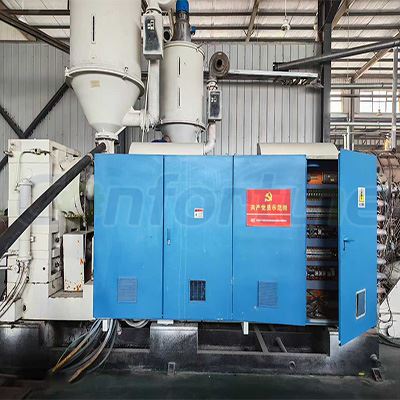
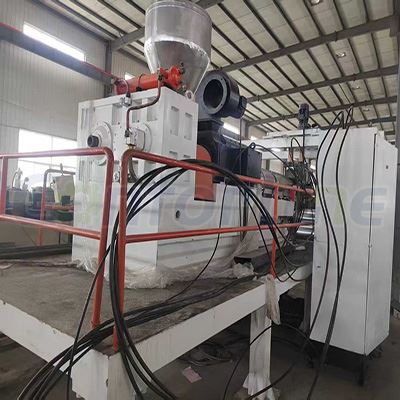
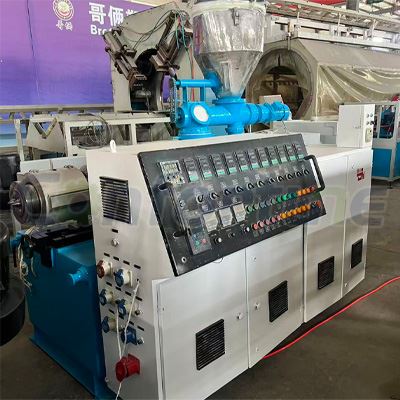
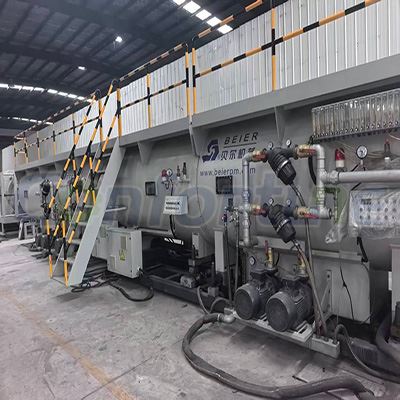
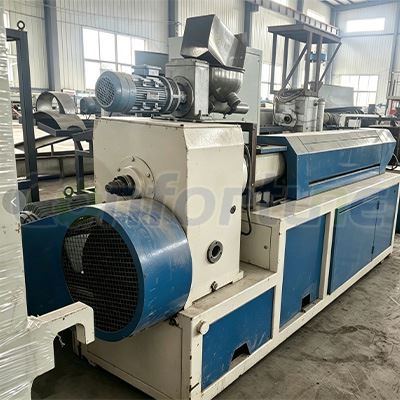
Hey there! As a supplier of second hand pipe extruders, I've seen my fair share of component wear and tear. It's a common headache for anyone using these machines, but don't worry - I've got some tips to help you reduce that wear and keep your equipment running smoothly.
First off, let's understand why components in a second hand pipe extruder wear out. There are a few key factors at play here. One of the main reasons is friction. When different parts of the extruder rub against each other during operation, it causes abrasion, which gradually wears down the components. Another factor is heat. Extrusion processes generate a lot of heat, and if not properly managed, this heat can cause materials to expand and contract, leading to stress and eventually wear. Also, the quality of the raw materials you use can have a big impact. Low - quality materials might contain impurities that can accelerate the wear of the extruder components.
Now, let's dive into some practical ways to reduce component wear.
1. Regular Maintenance
This is the most basic but crucial step. You should have a regular maintenance schedule for your second hand pipe extruder. This includes cleaning the machine after each use. Residue from the raw materials can build up over time and cause additional friction. Use appropriate cleaning agents that are safe for the machine's components. For example, a mild detergent can be used to clean the exterior, while specific solvents might be needed for more stubborn residues inside the extruder.
Lubrication is also a must. Make sure to lubricate all moving parts regularly. This reduces friction between the components, which in turn reduces wear. Check the lubricant levels frequently and top them up as needed. Different parts of the extruder might require different types of lubricants, so make sure you're using the right ones.
Inspect the components regularly for signs of wear. Look for things like cracks, chips, or excessive wear on the screws, barrels, and other parts. If you catch these issues early, you can replace the components before they cause major problems.
2. Proper Operating Conditions
Maintaining the right operating conditions is essential for reducing component wear. Temperature control is a big deal. The extruder should be operated within the recommended temperature range. If it gets too hot, the components can expand and warp, leading to premature wear. Use temperature sensors to monitor the temperature and adjust the heating or cooling systems accordingly.
The speed of the extruder also matters. Running the machine at a consistent and appropriate speed can help reduce wear. Avoid sudden speed changes, as these can put extra stress on the components. If you need to change the speed, do it gradually.
3. Quality Raw Materials
Using high - quality raw materials can significantly reduce component wear. Low - quality materials often contain impurities like dirt, sand, or other hard particles. These particles can act like abrasives and cause rapid wear on the extruder components. Invest in good - quality PVC or other materials for your pipe production. You can check out PVC Used Equipment Production Line to get an idea of the kind of equipment that can handle high - quality materials well.
4. Training for Operators
Your operators play a crucial role in reducing component wear. Make sure they are well - trained on how to operate the second hand pipe extruder properly. They should know how to start and stop the machine correctly, how to adjust the settings, and how to recognize signs of potential problems. A well - trained operator can prevent many common mistakes that lead to component wear.
5. Upgrades and Retrofits
Consider upgrading or retrofitting your second hand pipe extruder. Newer technologies and components can be more wear - resistant. For example, you might be able to replace old, worn - out screws with new ones made from more durable materials. You can also look into upgrading the heating and cooling systems to improve temperature control. Check out Used - second Hand PVC Pipe Extrusion Line to see some options for upgrades.
6. Monitoring and Data Analysis
Use monitoring systems to keep track of the performance of your extruder. This can include sensors that measure temperature, pressure, and speed. By analyzing this data, you can identify trends and potential problems early. For example, if you notice a sudden increase in temperature or pressure, it could be a sign of a problem with a component. You can then take action before the component wears out completely.
7. Storage and Handling
When the extruder is not in use, proper storage is important. Store the machine in a dry, clean environment. Protect it from dust, moisture, and other contaminants. If you need to move the extruder, do it carefully to avoid any damage to the components.
8. Component Replacement Strategy
Have a plan for component replacement. Keep a stock of critical components so that you can replace them quickly when needed. This reduces downtime and ensures that your production doesn't come to a halt. You can find some good options for replacement components in Old Pvc Pipe Production Machine.
In conclusion, reducing the wear of components in a second hand pipe extruder requires a combination of regular maintenance, proper operating conditions, high - quality materials, and well - trained operators. By following these tips, you can extend the lifespan of your extruder and save money in the long run.
If you're interested in purchasing a second hand pipe extruder or have any questions about reducing component wear, don't hesitate to reach out. We're here to help you make the most of your investment in our equipment.


References:
- General knowledge of pipe extruder operation and maintenance
- Industry best practices for equipment longevity