

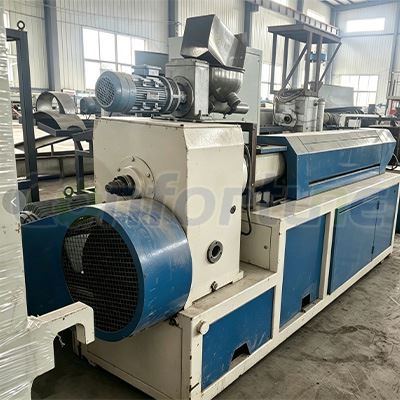
Selecting the appropriate extrusion die for a used extrusion machine is a crucial decision that can significantly impact the quality, efficiency, and cost - effectiveness of your production process. As a supplier of used extrusion machines, I understand the challenges and complexities involved in this selection. In this blog, I will share some key considerations and guidelines to help you make an informed choice.
Understanding the Basics of Extrusion Dies
Extrusion dies are tools used in the extrusion process to shape molten plastic or other materials into a specific cross - sectional profile. They come in various types, including flat dies, circular dies, and profile dies. Each type is designed to produce different shapes and sizes of extruded products.
Flat dies are commonly used for producing sheets, films, and coatings. They have a wide, flat opening that allows the molten material to flow out in a thin, even layer. Circular dies, on the other hand, are used for making tubes, pipes, and cables. They have a circular opening that gives the extruded product a round cross - section. Profile dies are more complex and are used to create custom - shaped products, such as window frames, door seals, and automotive parts.
Compatibility with the Used Extrusion Machine
The first step in selecting an extrusion die is to ensure its compatibility with your used extrusion machine. This involves considering several factors, such as the machine's screw diameter, barrel length, and output capacity.
The screw diameter of the extrusion machine determines the amount of material that can be processed at a time. The die should be designed to handle the same volume of material as the machine can produce. If the die is too small, it may cause excessive pressure and reduce the output. Conversely, if the die is too large, the material may not flow evenly, resulting in poor - quality products.
The barrel length of the machine affects the melting and mixing of the material. A longer barrel allows for better melting and mixing, which can improve the quality of the extruded product. The die should be designed to work in conjunction with the machine's barrel length to ensure optimal performance.
The output capacity of the machine is another important factor. The die should be able to handle the machine's maximum output without causing any blockages or pressure build - up. This requires careful consideration of the die's flow rate and pressure requirements.
Material Considerations
The type of material you plan to extrude is another critical factor in die selection. Different materials have different properties, such as viscosity, melting point, and chemical resistance. These properties can affect the design and construction of the die.
For example, materials with high viscosity require a die with a larger opening and a shorter flow path to ensure smooth flow. Materials with a high melting point may require a die with better heat - resistant properties. Chemical - resistant materials may need a die made of a corrosion - resistant material.
Some common materials used in extrusion include polyethylene (PE), polypropylene (PP), polyvinyl chloride (PVC), and polystyrene (PS). Each of these materials has its own unique characteristics and requires a specific type of die.
Product Design and Specifications
The design and specifications of the final product also play a significant role in die selection. You need to consider the shape, size, and tolerance of the product.
For complex shapes, a custom - designed die may be required. This can be more expensive but is necessary to achieve the desired product quality. The size of the product determines the size of the die opening. The tolerance requirements of the product affect the precision of the die manufacturing.
Cost - Benefit Analysis
Cost is always a major consideration when selecting an extrusion die. You need to balance the initial cost of the die with its long - term benefits. A high - quality die may cost more upfront but can result in lower production costs in the long run due to better product quality, higher efficiency, and less downtime.
In addition to the purchase price of the die, you also need to consider the cost of maintenance, repair, and replacement. Some dies may require more frequent maintenance or replacement parts, which can add to the overall cost.
Quality and Reputation of the Die Manufacturer
The quality and reputation of the die manufacturer are important factors to consider. A reputable manufacturer will use high - quality materials and advanced manufacturing techniques to ensure the durability and performance of the die.
You can research the manufacturer's reputation by reading customer reviews, checking their certifications, and asking for references. A manufacturer with a good track record is more likely to provide a reliable and high - quality die.
Our Offerings
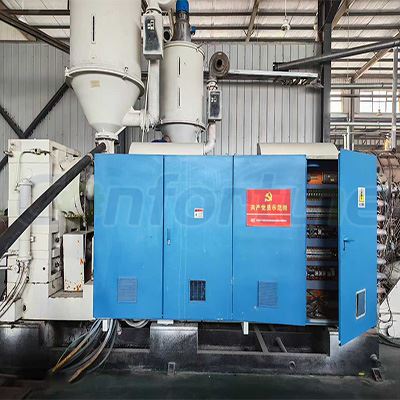
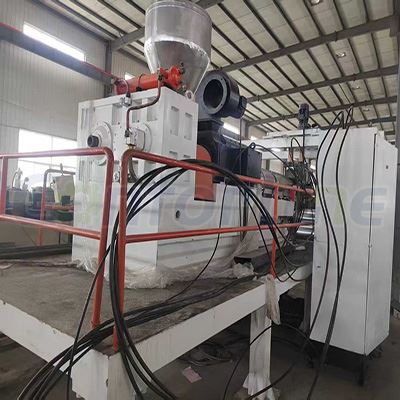
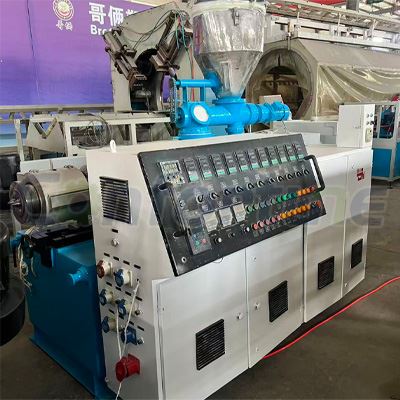
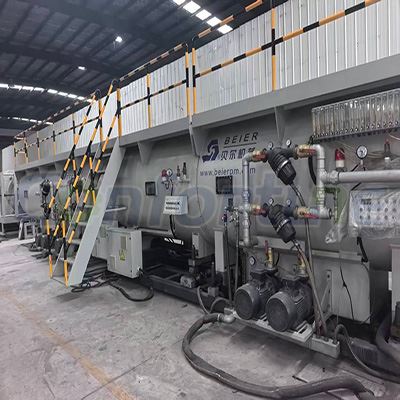
As a supplier of used extrusion machines, we also offer a range of extrusion dies to meet your specific needs. Our used extrusion machines, such as the Used Double Wall Bellows Production Line, Second - hand Twin - screw Granulator, and SJSZ80/156 Twin - screw Extruder, are carefully inspected and refurbished to ensure optimal performance.
We understand that every customer has unique requirements, and we are committed to providing personalized solutions. Our team of experts can help you select the most appropriate extrusion die for your used extrusion machine based on your specific needs and budget.
Conclusion
Selecting the appropriate extrusion die for a used extrusion machine is a complex process that requires careful consideration of several factors. By understanding the basics of extrusion dies, ensuring compatibility with the machine, considering the material and product design, conducting a cost - benefit analysis, and choosing a reputable manufacturer, you can make an informed decision that will improve the quality and efficiency of your production process.
If you are interested in purchasing a used extrusion machine or an extrusion die, or if you have any questions about the selection process, please feel free to contact us. We are here to help you find the best solution for your business.


References
- "Extrusion Dies: Design and Engineering" by J. L. Throne
- "Plastics Extrusion Technology" by Rauwendaal, C.