

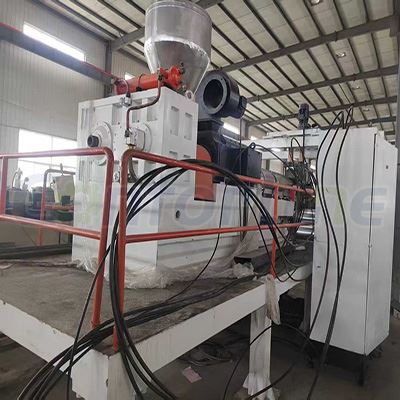
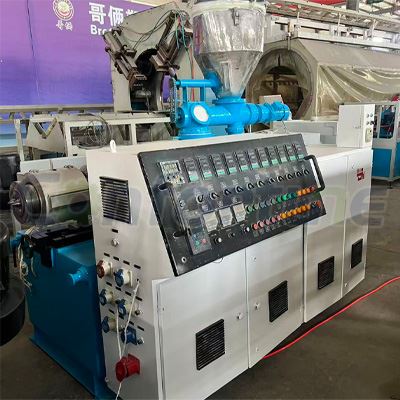
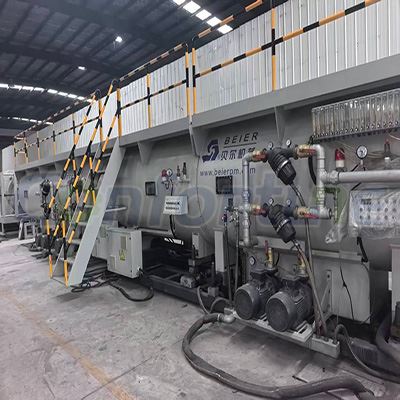
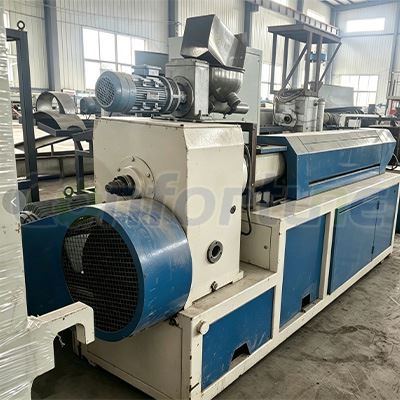
Hey there! As a supplier of used twin screw extruders, I've seen my fair share of issues with these machines. Troubleshooting a used twin screw extruder can be a bit of a headache, but with the right approach, you can get it up and running smoothly in no time. In this blog post, I'll share some tips and tricks on how to troubleshoot a used twin screw extruder.

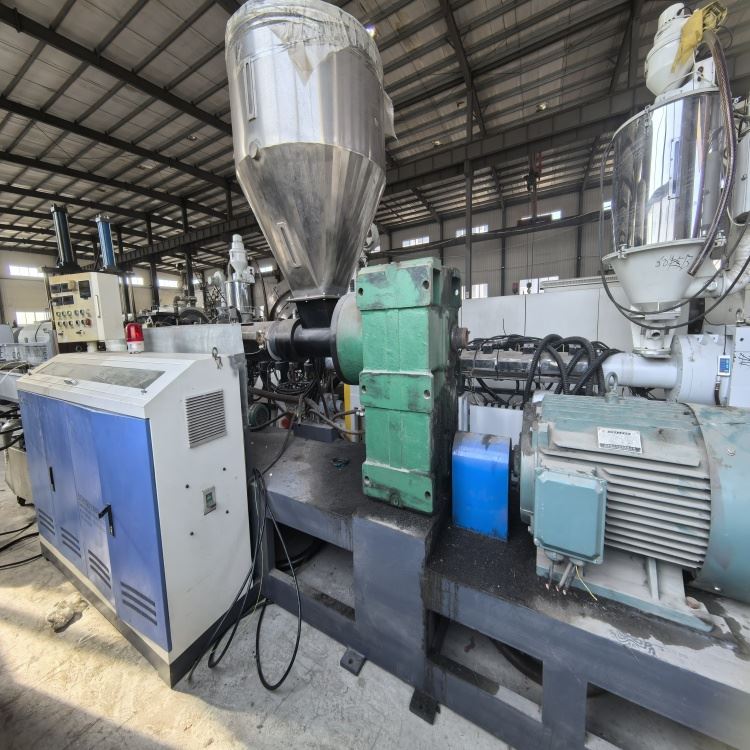
1. Check the Basics
Before you start digging deep into the machine, it's always a good idea to check the basics. First, make sure the power supply is stable and the machine is properly grounded. A loose connection or unstable power can cause all sorts of problems. Also, check the oil levels in the gearbox and other lubrication points. Low oil levels can lead to excessive wear and tear on the moving parts.
Next, inspect the screws and barrels for any signs of damage or excessive wear. The screws are the heart of the twin screw extruder, and if they're worn out, it can affect the quality of the output. Look for any nicks, scratches, or signs of corrosion. If you notice any issues, you might need to replace the screws or barrels.
2. Examine the Feeding System
The feeding system is crucial for the proper operation of the twin screw extruder. If the material isn't being fed evenly or at the right rate, it can cause problems with the extrusion process. Check the feeder for any blockages or jams. Sometimes, small particles or debris can get stuck in the feeder, preventing the material from flowing smoothly.
Also, make sure the feeder is calibrated correctly. The feed rate should match the requirements of the extrusion process. If the feed rate is too high or too low, it can lead to inconsistent output. You may need to adjust the feeder settings or replace any worn-out parts.
3. Analyze the Temperature Control
Temperature control is another important aspect of troubleshooting a used twin screw extruder. The temperature of the barrels and screws needs to be carefully regulated to ensure the material is melted and processed correctly. Check the temperature sensors and heaters to make sure they're working properly.
If the temperature is too high, it can cause the material to degrade or burn, resulting in poor-quality output. On the other hand, if the temperature is too low, the material may not melt completely, leading to clogs and other issues. You may need to adjust the temperature settings or replace any faulty sensors or heaters.
4. Evaluate the Screw Configuration
The screw configuration plays a significant role in the performance of the twin screw extruder. Different screw configurations are designed for different types of materials and processes. If the screw configuration isn't suitable for the material you're using, it can cause problems such as poor mixing, low throughput, or inconsistent output.
Review the screw configuration and make sure it's appropriate for your application. You may need to consult the machine's manual or an expert to determine the best screw configuration for your needs. In some cases, you may need to change the screws to achieve the desired results.
5. Look for Leaks and Seal Issues
Leaks and seal issues can also cause problems with a used twin screw extruder. Check for any signs of oil leaks, coolant leaks, or material leaks. Leaks can not only waste resources but also damage the machine and affect the quality of the output.
Inspect the seals and gaskets for any signs of wear or damage. If you find any leaks, replace the damaged seals or gaskets as soon as possible. Make sure to use high-quality seals to prevent future leaks.
6. Check the Electrical System
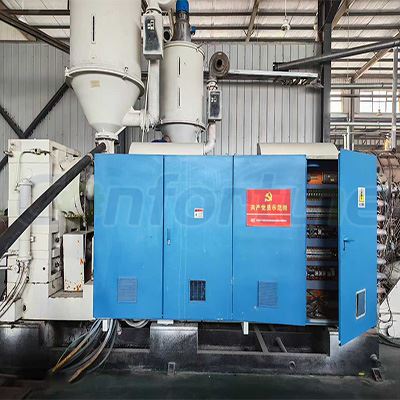
The electrical system of the twin screw extruder is responsible for powering the motors, heaters, sensors, and other components. A faulty electrical system can cause the machine to malfunction or even pose a safety hazard.
Inspect the electrical connections, wires, and switches for any signs of damage or loose connections. Look for any burnt or frayed wires, as these can be a sign of an electrical problem. If you're not familiar with electrical systems, it's best to hire a qualified electrician to perform a thorough inspection.
7. Consider the Process Parameters
In addition to the machine itself, the process parameters also need to be optimized for the best performance. The screw speed, pressure, and other parameters can have a significant impact on the quality of the output. Review the process parameters and make sure they're set correctly for the material and application.
You may need to make some adjustments based on the results of your troubleshooting. For example, if you're experiencing poor mixing, you might need to increase the screw speed or adjust the pressure. Keep in mind that making changes to the process parameters should be done gradually and carefully to avoid causing further problems.
Additional Resources
If you're in the market for a used twin screw extruder or related equipment, we offer a range of options, including the Used Pp/pe Granules Line, Second-hand Granulation Production Line, and Used PE PP Granules Making Machine. These machines can be a cost-effective solution for your production needs.
Conclusion
Troubleshooting a used twin screw extruder can be a complex process, but by following these steps, you can identify and resolve many common issues. Remember to check the basics, examine the feeding system, analyze the temperature control, evaluate the screw configuration, look for leaks and seal issues, check the electrical system, and consider the process parameters.
If you're still having trouble troubleshooting your used twin screw extruder or if you're interested in purchasing a used machine, don't hesitate to reach out. We're here to help you find the best solution for your needs. Whether you're a small business or a large corporation, we can provide you with the support and expertise you need to keep your production running smoothly.
References
- Twin Screw Extrusion Handbook, Edited by James L. White and Joseph F. Carley
- Plastics Extrusion Technology, by Allan A. Griff