

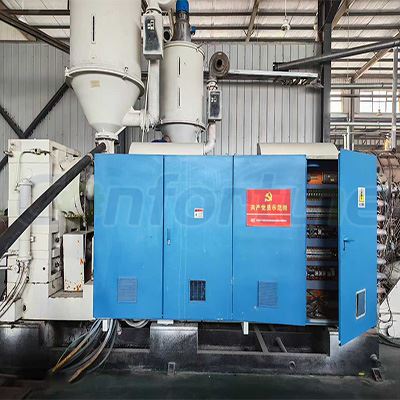
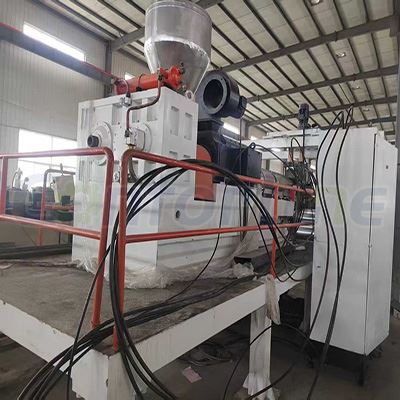
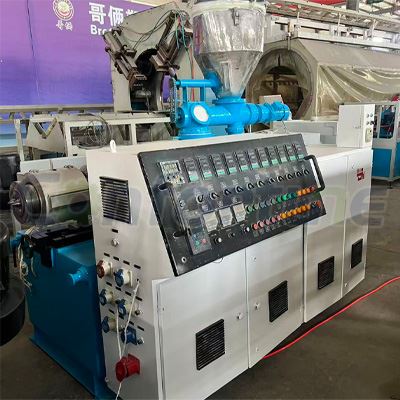
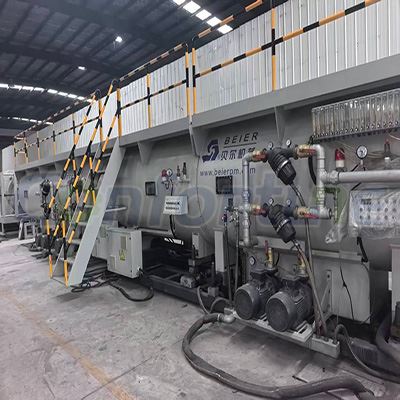
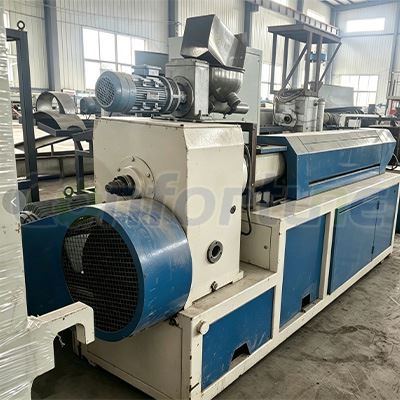
When dealing with a used single screw extruder, effective cooling methods are crucial to ensure its optimal performance and longevity. As a supplier of Used Single Screw Extruder, I understand the significance of proper cooling in maintaining the quality of the extrusion process. In this blog, we will explore the various cooling methods available for a used single screw extruder.
Air Cooling
Air cooling is one of the simplest and most commonly used methods for cooling a single screw extruder. This method involves using fans to blow air over the extruder barrel and other components. The moving air helps to dissipate heat from the surface of the extruder, reducing its temperature.
The advantage of air cooling is its low cost and simplicity. It does not require complex plumbing or additional equipment, making it a popular choice for small - scale operations or applications where the heat generation is relatively low. However, air cooling has its limitations. It is less efficient compared to other methods, especially when dealing with high - temperature extrusion processes. The cooling capacity of air is limited, and it may not be sufficient to cool the extruder rapidly enough in some cases.
Water Cooling
Water cooling is a more efficient cooling method for single screw extruders. There are two main types of water - cooling systems: direct water cooling and indirect water cooling.
Direct Water Cooling
In direct water cooling, water is circulated directly through channels or jackets around the extruder barrel. The water absorbs the heat from the barrel and carries it away. This method provides a high cooling rate and is very effective in maintaining a stable temperature during the extrusion process.
The direct water - cooling system requires a reliable water source and a proper drainage system. It also needs to be monitored regularly to prevent issues such as corrosion and scale buildup in the cooling channels. If not maintained properly, these problems can reduce the cooling efficiency and even damage the extruder.
Indirect Water Cooling
Indirect water cooling uses a heat exchanger. The heat from the extruder is transferred to a coolant (usually water) in the heat exchanger, and then the coolant is cooled by another water source or a refrigeration system. This method offers more control over the cooling process and can be used in situations where the extruder needs to be cooled to a specific temperature.
Indirect water cooling is more complex and expensive than direct water cooling. It requires additional equipment such as heat exchangers and pumps. However, it provides better temperature control and is suitable for high - precision extrusion processes.
Oil Cooling
Oil cooling is another option for cooling a single screw extruder. In this method, a special heat - transfer oil is used to absorb the heat from the extruder. The oil is circulated through a cooling system, which may include a heat exchanger and a pump.
Oil cooling has several advantages. The oil has a high heat - transfer capacity and can handle high temperatures. It also provides good lubrication for the extruder components, reducing wear and tear. However, oil cooling systems are more expensive to install and maintain compared to air or water cooling systems. The oil needs to be changed regularly to maintain its performance, and there is a risk of oil leakage, which can be a safety hazard.
Refrigeration Cooling
Refrigeration cooling is the most advanced and precise cooling method for single screw extruders. This method uses a refrigeration unit to cool the coolant, which is then circulated through the extruder to remove heat.
Refrigeration cooling can achieve very low temperatures and provides excellent temperature control. It is suitable for applications where the extrusion process requires strict temperature regulation, such as in the production of high - quality plastics or in the pharmaceutical industry. However, refrigeration cooling systems are very expensive to install and operate. They also require a significant amount of energy, which can increase the operating costs.


Choosing the Right Cooling Method
When choosing a cooling method for a used single screw extruder, several factors need to be considered.
Extrusion Process Requirements
The type of material being extruded and the required extrusion temperature play a crucial role in determining the cooling method. For example, if the material has a high melting point and requires a high extrusion temperature, a more efficient cooling method such as water or refrigeration cooling may be necessary.
Cost
The cost of the cooling system, including the initial installation cost and the operating cost, is an important consideration. Air cooling is the most cost - effective option, while refrigeration cooling is the most expensive.
Space and Installation
The available space for the cooling system and the ease of installation also need to be taken into account. Some cooling systems, such as air cooling, require less space and are easier to install, while others, like refrigeration cooling, may require a dedicated room and complex installation procedures.
Maintenance
The maintenance requirements of the cooling system should not be overlooked. Water - cooling systems need to be monitored for corrosion and scale buildup, while oil - cooling systems require regular oil changes.
As a supplier of Used Single Screw Extruder, we can provide you with professional advice on choosing the most suitable cooling method for your specific needs. Our team of experts has extensive experience in the field of extrusion equipment and can help you optimize the performance of your used single screw extruder.
If you are interested in our Used Single Screw Extruder or need more information about cooling methods, we encourage you to contact us for further discussion. We also offer other types of used extrusion equipment, such as Old Conical Twin Screw Extruder and SJSZ80/156 Twin - screw Extruder.
References
- "Extrusion Technology Handbook" by Hanser Publishers
- "Plastics Extrusion Technology" by D. V. Rosato and D. V. Rosato Jr.