

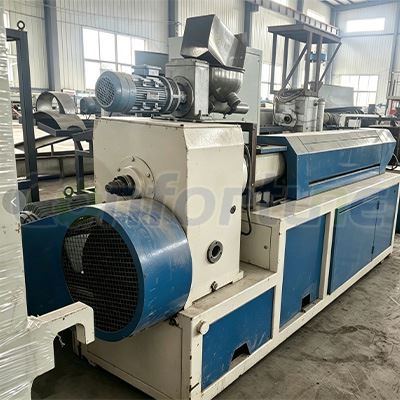
As a supplier of used extruder equipment, I've witnessed firsthand the importance of understanding the wear-and-tear indicators of these machines. Used extruders are a cost-effective solution for many businesses, but it's crucial to assess their condition before making a purchase. In this blog, I'll share some key wear-and-tear indicators to look out for when evaluating used extruder equipment.
1. Barrel and Screw Wear
The barrel and screw are the heart of an extruder. Over time, the constant friction between the screw and the barrel can lead to significant wear. One of the most obvious signs of barrel and screw wear is a decrease in output. If the extruder is producing less material than it used to, it could be due to excessive wear on the screw flights or the barrel liner.
Another indicator is a change in the quality of the extruded product. Worn screws and barrels can cause inconsistent melting and mixing, resulting in products with poor surface finish, uneven density, or other defects. You may also notice an increase in the amount of energy required to operate the extruder, as the worn components require more power to push the material through the system.
Visual inspection can also reveal signs of wear. Look for signs of scoring, scratching, or pitting on the surface of the screw and barrel. These marks can indicate that the metal has been eroded by the abrasive action of the plastic material. In some cases, the screw may show signs of deformation, such as bending or twisting, which can further affect the performance of the extruder.
2. Gearbox Wear
The gearbox is responsible for transmitting power from the motor to the screw. It's a complex component that is subject to high loads and stresses. Wear in the gearbox can lead to a variety of problems, including noise, vibration, and reduced efficiency.
One of the first signs of gearbox wear is unusual noise. If you hear grinding, whining, or clicking sounds coming from the gearbox, it could be a sign of worn gears or bearings. Vibration is another indicator of gearbox problems. Excessive vibration can cause damage to other components of the extruder and can also affect the quality of the extruded product.
Regular oil analysis can help detect early signs of gearbox wear. By analyzing the oil for metal particles, you can identify if there is excessive wear on the gears or bearings. If the oil analysis reveals high levels of metal particles, it's a good idea to have the gearbox inspected by a professional.
3. Heating and Cooling System Wear
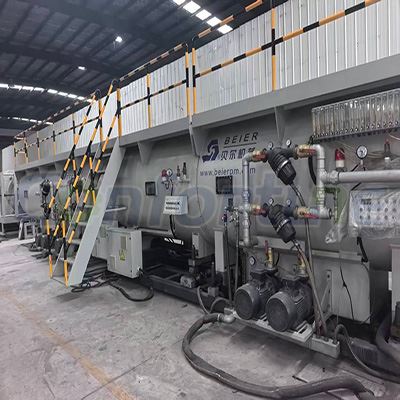
The heating and cooling system is essential for maintaining the proper temperature of the plastic material during the extrusion process. Wear in the heating and cooling system can lead to temperature fluctuations, which can affect the quality of the extruded product.
One of the main indicators of heating system wear is inconsistent heating. If the extruder is having trouble reaching or maintaining the set temperature, it could be due to worn heating elements or thermocouples. You may also notice that the heating system is taking longer to heat up or cool down, which can increase the cycle time of the extrusion process.
Cooling system wear can also be a problem. A worn cooling system may not be able to remove heat from the extruder effectively, leading to overheating. This can cause the plastic material to degrade, resulting in poor product quality. Look for signs of leaks in the cooling system, as well as blockages in the cooling channels.
4. Electrical System Wear
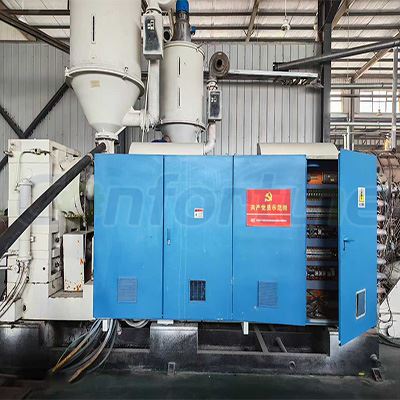
The electrical system of an extruder is responsible for controlling the various components of the machine, including the motor, heating elements, and sensors. Wear in the electrical system can lead to malfunctions and downtime.
One of the most common signs of electrical system wear is intermittent failures. If the extruder suddenly stops working or experiences random errors, it could be due to a problem with the electrical system. Check the wiring for signs of damage, such as fraying or corrosion. Loose connections can also cause electrical problems, so make sure all the connections are tight.
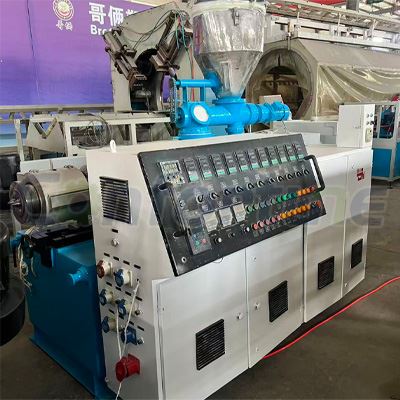
The control panel is another area to inspect. Look for signs of wear on the buttons, switches, and displays. If the control panel is not functioning properly, it can be difficult to operate the extruder and monitor its performance.
5. Hydraulic System Wear
Some extruders use a hydraulic system to power certain functions, such as the clamping force or the movement of the die. Wear in the hydraulic system can lead to reduced performance and reliability.
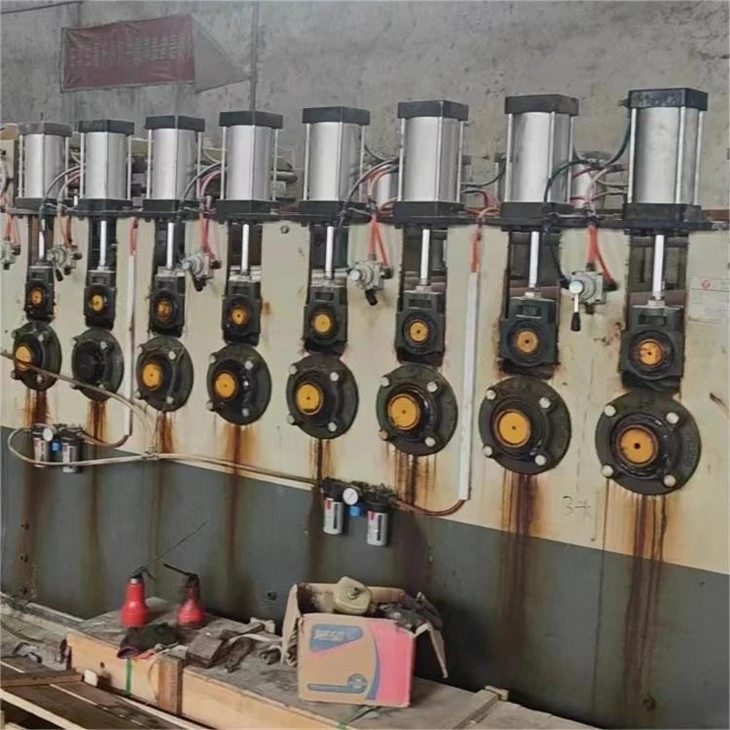
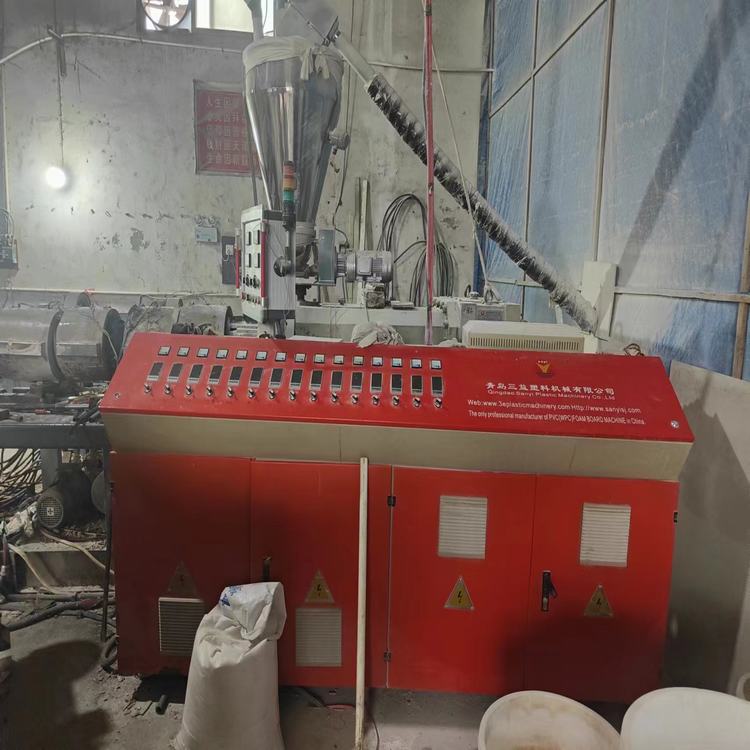
One of the main indicators of hydraulic system wear is a loss of pressure. If the hydraulic system is not able to maintain the required pressure, it can affect the operation of the extruder. You may also notice leaks in the hydraulic system, which can lead to a loss of fluid and reduced performance.
Regular maintenance of the hydraulic system, including changing the hydraulic fluid and filters, can help prevent wear and extend the life of the system.
Why Choose Our Used Extruder Equipment
At our company, we understand the importance of providing high-quality used extruder equipment. We carefully inspect each machine before it is offered for sale, looking for all the wear-and-tear indicators mentioned above. Our team of experienced technicians has the expertise to identify and address any issues, ensuring that the equipment we sell is in good working condition.
We offer a wide range of used extruder equipment, including Second-hand Mixer, Used Flat Double Granulator, and PVC Foam Board Production Line. Whether you're looking for a small-scale extruder for a startup or a large industrial machine for a high-volume production facility, we have the right equipment for you.
In addition to our high-quality equipment, we also provide excellent customer service. Our sales team is available to answer any questions you may have and to help you find the right equipment for your needs. We also offer installation, training, and after-sales support to ensure that you get the most out of your purchase.
Contact Us for Purchase and Negotiation
If you're interested in purchasing used extruder equipment, we encourage you to contact us. Our team is ready to assist you in finding the perfect machine for your business. We can provide detailed information about the equipment, including its specifications, condition, and price.
Whether you're a small business looking to expand your production capabilities or a large corporation looking to upgrade your existing equipment, we can help. Don't miss out on the opportunity to get high-quality used extruder equipment at a competitive price. Contact us today to start the negotiation process and take your business to the next level.
References
- "Extrusion of Polymers: Theory and Practice" by John A. Brydson
- "Handbook of Plastic Extrusion Technology" by Allan A. Griff
- Industry standards and guidelines for extruder equipment maintenance and inspection.