

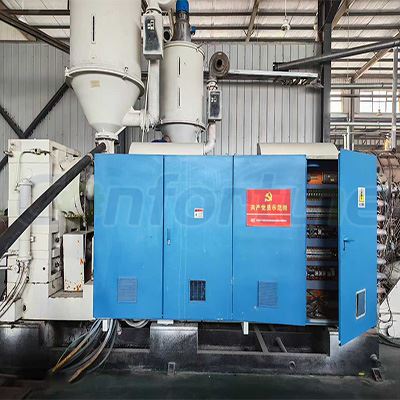
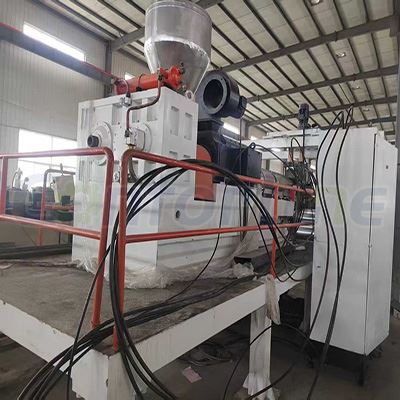
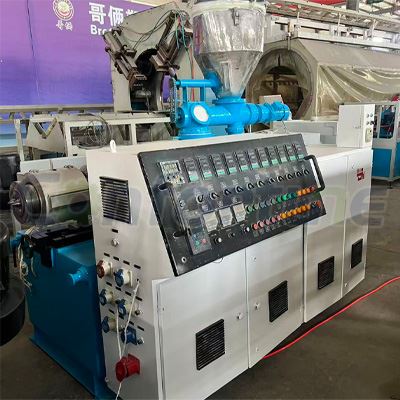
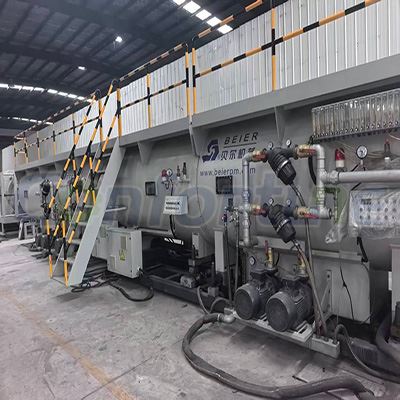
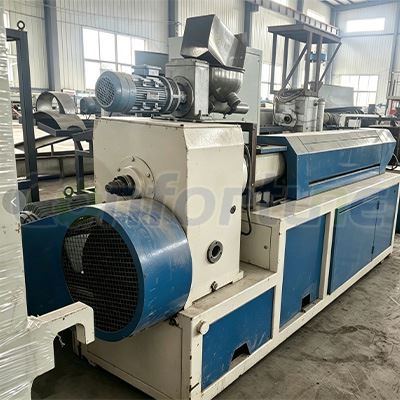
When it comes to the world of plastic processing, second - hand extruders are a cost - effective solution for many businesses. As a well - established second - hand extruder supplier, I've had the privilege of working with a wide range of these machines and getting to know their control panels inside out. In this blog, I'll take you through what the control panel of a second - hand extruder is like, highlighting its components, functions, and how it impacts the overall operation of the machine.
Components of the Control Panel
The control panel of a second - hand extruder is a hub of activity, housing various components that work in tandem to ensure the smooth and efficient operation of the extruder.
Display Screen
One of the most prominent features of the control panel is the display screen. This is where operators can monitor crucial parameters such as temperature, pressure, screw speed, and output rate. On modern second - hand extruders, the display screen is often a touch - sensitive interface, allowing for easy navigation and adjustment of settings. For instance, on a Second Hand Plastic Extrusion Machine, the display screen provides real - time data, enabling operators to make immediate decisions based on the current state of the extrusion process.
Control Buttons and Switches
In addition to the touch - screen interface, there are usually a series of control buttons and switches on the panel. These are used for basic functions such as starting and stopping the extruder, turning on the heaters, and activating the cooling systems. Some buttons may be dedicated to specific tasks, like adjusting the screw speed or changing the feed rate. Each button is clearly labeled, making it easy for operators to understand their functions.
Temperature Controllers
Temperature is a critical factor in the extrusion process. The control panel is equipped with temperature controllers that regulate the heating elements along the extruder barrel. These controllers allow operators to set the desired temperature for different zones of the barrel. Precise temperature control is essential for ensuring the proper melting and flow of the plastic material. For example, in a Used Conical Twin Screw Extruder, the temperature controllers help maintain a consistent temperature profile, which is crucial for achieving high - quality extruded products.
Pressure Gauges
Pressure gauges are another important component of the control panel. They measure the pressure inside the extruder barrel and the die. Monitoring the pressure is vital because it can indicate issues such as blockages or improper material flow. If the pressure is too high, it could lead to equipment damage or poor product quality. Operators can use the pressure readings to adjust the screw speed or the feed rate to maintain optimal pressure levels.
Motor Controls
The control panel also includes motor controls for the extruder's drive motor. These controls allow operators to adjust the speed of the screw, which in turn affects the output rate of the extruder. Different types of second - hand extruders, such as Used Single Screw Extruder, may have different motor control mechanisms. Some may use variable frequency drives (VFDs), which provide precise speed control and energy savings.
Functions of the Control Panel
The control panel serves several key functions that are essential for the successful operation of a second - hand extruder.
Process Monitoring
As mentioned earlier, the control panel allows operators to monitor various process parameters in real - time. This continuous monitoring helps in detecting any deviations from the set standards. For example, if the temperature in a particular zone of the barrel starts to fluctuate, the operator can quickly identify the issue and take corrective action. Process monitoring also enables operators to keep track of the overall production rate and quality of the extruded products.


Parameter Setting
Operators can use the control panel to set the desired values for different parameters. This includes temperature, pressure, screw speed, and feed rate. By inputting the appropriate values, they can customize the extrusion process according to the specific requirements of the plastic material and the product being manufactured. For instance, different types of plastics may require different temperature profiles and screw speeds for optimal extrusion.
Safety Control
Safety is a top priority in any industrial setting. The control panel of a second - hand extruder is equipped with safety features to protect the operators and the equipment. For example, there are emergency stop buttons that can be pressed in case of an emergency. Additionally, the control panel may have sensors that detect abnormal conditions such as overheating or excessive pressure. When these conditions are detected, the control panel can automatically shut down the extruder to prevent damage.
Recipe Management
Many modern second - hand extruders have recipe management capabilities. This means that operators can save different sets of process parameters as recipes. For example, if a company frequently produces a particular type of plastic product, they can save the corresponding temperature, pressure, and speed settings as a recipe. Then, whenever they need to produce that product again, they can simply select the recipe from the control panel, and the extruder will automatically adjust the settings accordingly. This not only saves time but also ensures consistency in product quality.
Impact on Overall Operation
The control panel has a significant impact on the overall operation of a second - hand extruder.
Efficiency
A well - designed control panel can greatly improve the efficiency of the extrusion process. With easy - to - use interfaces and real - time monitoring capabilities, operators can make quick adjustments to optimize the process. For example, by adjusting the screw speed based on the pressure readings, they can ensure a continuous and smooth flow of the plastic material, reducing downtime and increasing productivity.
Product Quality
The control panel plays a crucial role in maintaining product quality. Precise control of temperature, pressure, and other parameters ensures that the plastic material is melted and extruded correctly. This results in products with consistent dimensions, surface finish, and mechanical properties. For instance, in the production of plastic pipes, accurate control of the extrusion process through the control panel is essential for producing pipes with the right wall thickness and strength.
Maintenance
The control panel also provides valuable information for maintenance purposes. By monitoring the performance of the extruder over time, operators can detect signs of wear and tear in the equipment. For example, if the motor current starts to increase gradually, it could indicate a problem with the motor or the screw. Early detection of such issues allows for timely maintenance, preventing major breakdowns and reducing repair costs.
Conclusion
In conclusion, the control panel of a second - hand extruder is a complex and essential component that governs the entire extrusion process. Its components, functions, and impact on the operation of the machine make it a critical part of any plastic processing facility. Whether you are in the market for a Second Hand Plastic Extrusion Machine, a Used Conical Twin Screw Extruder, or a Used Single Screw Extruder, understanding the control panel is crucial for getting the most out of your investment.
If you are interested in purchasing a second - hand extruder or have any questions about the control panel or the extrusion process in general, feel free to reach out to us. We are here to assist you in finding the right machine for your needs and providing you with the support and expertise you require.
References
- "Plastics Extrusion Technology Handbook" by John A. Brydson
- "Extrusion of Polymers: Theory and Practice" by John L. White and Kazuhiro Yamane