

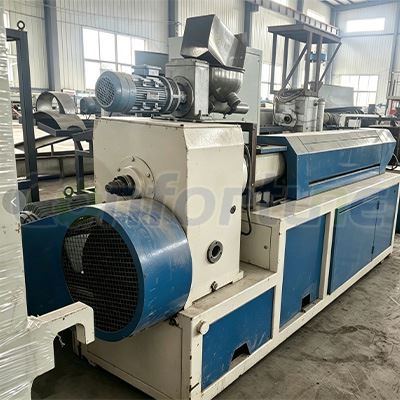
Hey there! As a supplier of Used PE Pipe Extrusion Line, I often get asked about the control system of these machines. So, I thought I'd write a blog post to share some insights on what the control system of a used PE pipe extrusion line is like.
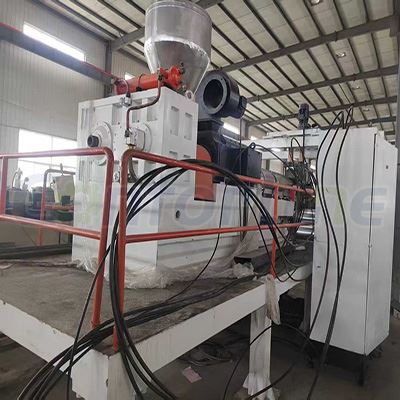
First off, let's talk about what a PE pipe extrusion line does. It's a machine that takes polyethylene (PE) resin and turns it into pipes of various sizes and thicknesses. The process involves heating the resin until it's molten, then forcing it through a die to give it the shape of a pipe. The control system of the extrusion line plays a crucial role in ensuring that this process runs smoothly and that the pipes produced meet the required quality standards.
The Basics of the Control System
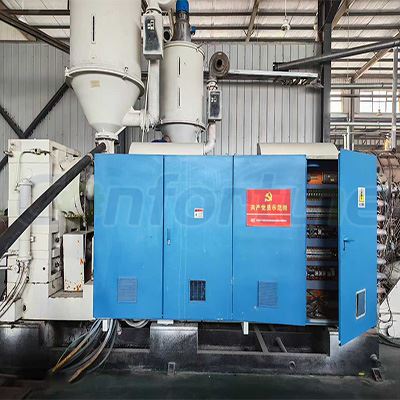
The control system of a used PE pipe extrusion line is like the brain of the machine. It's responsible for monitoring and controlling all the key processes and parameters involved in the extrusion process. This includes things like the temperature of the heating zones, the speed of the extruder screw, the pressure in the die, and the cooling rate of the pipes.
One of the main components of the control system is the programmable logic controller (PLC). The PLC is a specialized computer that's designed to control industrial processes. It uses a set of pre-programmed instructions to monitor and adjust the various parameters of the extrusion line in real-time. For example, if the temperature in one of the heating zones gets too high, the PLC can automatically reduce the power to the heater to bring the temperature back down to the desired level.
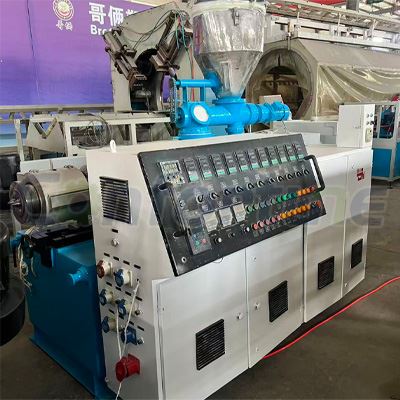
Another important part of the control system is the human-machine interface (HMI). The HMI is a touchscreen display that allows the operator to interact with the control system. Through the HMI, the operator can set the desired parameters for the extrusion process, monitor the current status of the machine, and receive alerts if any problems occur. For instance, if the pressure in the die exceeds the safe limit, the HMI will display an alarm to notify the operator.
Temperature Control
Temperature control is one of the most critical aspects of the PE pipe extrusion process. The polyethylene resin needs to be heated to the right temperature to become molten and flow smoothly through the extruder. If the temperature is too low, the resin won't melt properly, which can lead to poor-quality pipes with uneven wall thickness. On the other hand, if the temperature is too high, the resin can degrade, resulting in pipes with reduced strength and durability.
The control system of a used PE pipe extrusion line typically has multiple heating zones along the length of the extruder barrel. Each heating zone is equipped with its own temperature sensor and heater. The PLC continuously monitors the temperature of each zone and adjusts the power to the heaters as needed to maintain the set temperature. This ensures that the resin is heated evenly and that the extrusion process runs smoothly.


Screw Speed Control
The speed of the extruder screw also plays a crucial role in the quality of the pipes produced. The screw is responsible for conveying the molten resin from the hopper to the die. If the screw speed is too slow, the production rate will be low, and the pipes may have a rough surface. Conversely, if the screw speed is too fast, the resin may not be properly mixed, which can lead to pipes with inconsistent properties.
The control system allows the operator to set the desired screw speed through the HMI. The PLC then adjusts the speed of the motor that drives the screw to maintain the set speed. In addition, the control system can also monitor the torque of the screw to ensure that it's operating within the safe range. If the torque exceeds the limit, the PLC can automatically reduce the screw speed to prevent damage to the machine.
Pressure Control
Maintaining the right pressure in the die is essential for producing pipes with the correct dimensions and wall thickness. The pressure in the die is determined by the flow rate of the molten resin and the resistance of the die. If the pressure is too low, the pipes may be under-sized or have a thin wall. If the pressure is too high, the pipes may be over-sized or have a thick wall.
The control system uses a pressure sensor to monitor the pressure in the die. The PLC then adjusts the speed of the extruder screw or the flow rate of the resin to maintain the set pressure. This ensures that the pipes produced have the desired dimensions and quality.
Cooling Control
After the pipes are extruded from the die, they need to be cooled down quickly to solidify and maintain their shape. The cooling rate is an important factor that affects the quality of the pipes. If the cooling rate is too slow, the pipes may deform or have internal stresses. If the cooling rate is too fast, the pipes may develop cracks or have a brittle surface.
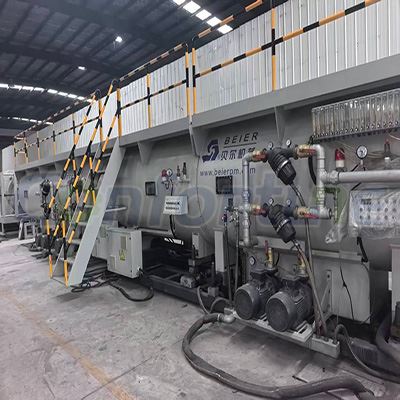
The control system of a used PE pipe extrusion line typically includes a cooling system, such as a water bath or air cooling system. The operator can set the desired cooling rate through the HMI, and the PLC will adjust the flow rate of the cooling medium (water or air) accordingly. This ensures that the pipes are cooled at the right rate and that they have the desired properties.
Different Types of Control Systems
There are different types of control systems available for used PE pipe extrusion lines, depending on the level of automation and sophistication required. Some of the more basic control systems may only have simple on/off controls for the heaters and motors, while more advanced systems may have fully automated features, such as self-diagnosis and remote monitoring.
For example, some of our Used PE Pipe Extrusion Line come with a state-of-the-art control system that uses advanced algorithms to optimize the extrusion process. These systems can automatically adjust the parameters based on the type of resin being used, the desired pipe dimensions, and other factors. This not only improves the quality of the pipes but also increases the production efficiency and reduces the operating costs.
Our Product Offerings
We have a wide range of used PE pipe extrusion lines available, each with its own unique control system. For example, our 16mm - 32mm PE one out two pipe line is a popular choice for small to medium-sized pipe production. It features a user-friendly control system that allows for easy operation and adjustment of the key parameters.
Another great option is our Jinwei Hdpe Three-layer Co-extrusion Production Line. This line is designed for producing high-quality three-layer HDPE pipes. Its advanced control system ensures precise control of the extrusion process for each layer, resulting in pipes with excellent mechanical properties and barrier performance.
Conclusion
In conclusion, the control system of a used PE pipe extrusion line is a complex and essential part of the machine. It plays a crucial role in ensuring the quality, efficiency, and reliability of the extrusion process. Whether you're looking for a basic control system or a more advanced automated system, we have the right solution for you.
If you're in the market for a used PE pipe extrusion line or have any questions about our products, don't hesitate to reach out. We're here to help you find the perfect machine for your needs and provide you with all the support and guidance you need. Let's start a conversation and see how we can work together to take your pipe production to the next level!
References
- "Plastics Extrusion Technology Handbook" by Allan A. Griff.
- "Extrusion of Plastics: Theory and Practice" by Z. Tadmor and C. G. Gogos.