

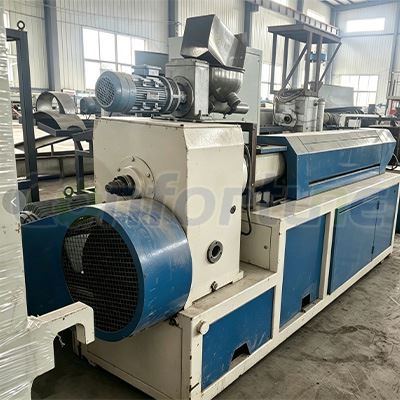
As a supplier of used HDPE pipe machines, I often encounter inquiries about the extrusion system of these machines. In this blog, I'll delve into what the extrusion system of a used HDPE pipe machine is, its components, and how it functions.
The Basics of the Extrusion System
The extrusion system is the heart of a used HDPE pipe machine. It is responsible for melting the HDPE resin and shaping it into the desired pipe form. This process involves several key steps, from material feeding to the final pipe production.
1. Material Feeding
The first stage in the extrusion process is material feeding. In a used HDPE pipe machine, HDPE resin is typically fed into the extruder through a hopper. The hopper is designed to store and regulate the flow of the resin into the extruder. The material can be in pellet form, which is easy to handle and feed. Some machines may also have a pre - drying system to remove any moisture from the HDPE resin, as moisture can affect the quality of the final pipe.

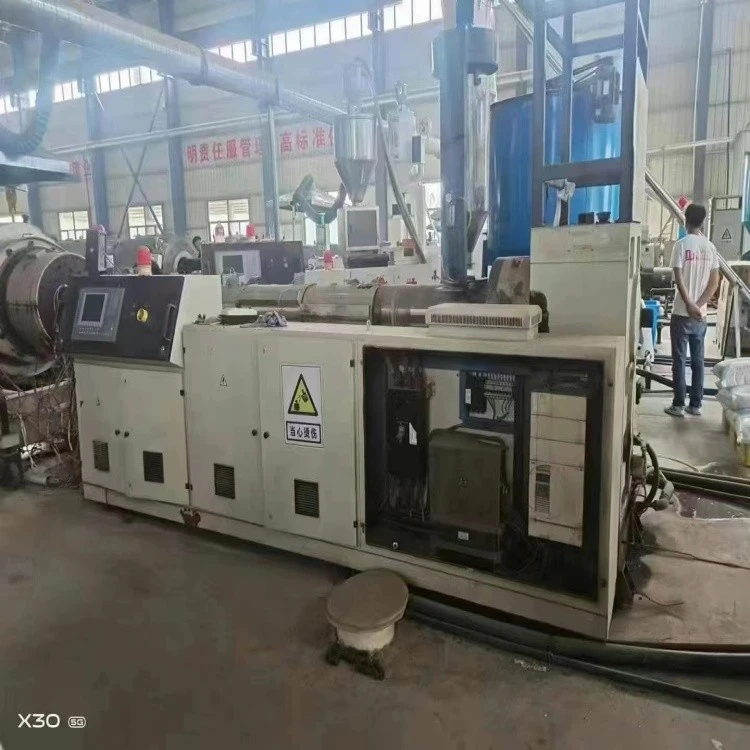
2. Melting and Mixing
Once the HDPE resin enters the extruder, it is subjected to heat and mechanical mixing. The extruder barrel contains a screw that rotates, creating friction and heat. This heat, combined with the external heating elements on the barrel, melts the HDPE resin. The screw also plays a crucial role in mixing the resin, ensuring a uniform melt. In a used HDPE pipe machine, the screw design may vary, and it is selected based on the specific requirements of the pipe production, such as the pipe diameter, wall thickness, and the type of HDPE resin used.
3. Shaping
After the HDPE resin is melted and mixed, it is pushed through a die. The die is a specially designed tool that gives the pipe its shape. The die determines the outer diameter and wall thickness of the pipe. In a used HDPE pipe machine, the die can be adjusted to produce pipes of different sizes. For example, if you want to produce a pipe with a larger diameter, you can change the die accordingly.
4. Cooling
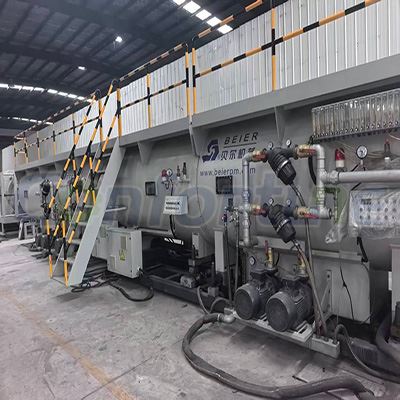
Once the pipe exits the die, it needs to be cooled rapidly to maintain its shape. Cooling is typically achieved through a water cooling system. The pipe passes through a cooling tank filled with water, which removes the heat from the pipe and solidifies it. In a used HDPE pipe machine, the cooling system is an important part of the extrusion process, as improper cooling can lead to pipe deformation or other quality issues.
Components of the Extrusion System
1. Extruder
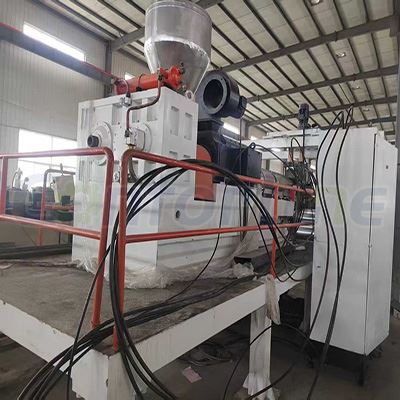
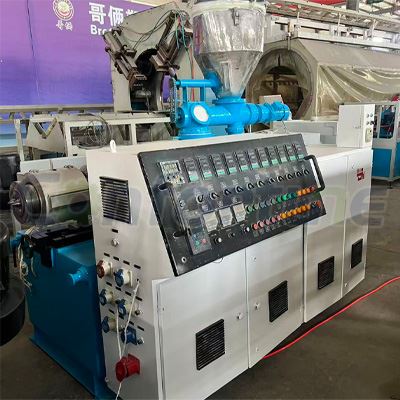
The extruder is the main component of the extrusion system. It consists of a barrel, a screw, and a drive system. The barrel is where the melting and mixing of the HDPE resin take place. The screw, as mentioned earlier, is responsible for moving the resin through the barrel and creating the necessary pressure for extrusion. The drive system provides the power to rotate the screw. In a used HDPE pipe machine, the extruder may have different specifications, such as the screw diameter, length - to - diameter ratio, and the power of the drive system.
2. Die
The die is a critical component that determines the shape and size of the pipe. It is usually made of high - quality steel and is precision - machined to ensure accurate pipe dimensions. The die can be designed for different types of pipes, such as single - layer pipes or multi - layer pipes. For example, if you are interested in producing multi - layer pipes, you may consider a Used Three - layer PE Water Supply Pipe Production Line.
3. Cooling System
As mentioned before, the cooling system is essential for solidifying the pipe. It can be a water - based cooling system, which may include a cooling tank, pumps, and pipes. The cooling system needs to be properly maintained in a used HDPE pipe machine to ensure efficient cooling and high - quality pipe production.
4. Control System
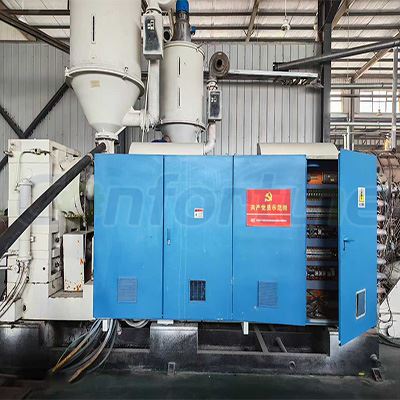
The control system is used to monitor and regulate the extrusion process. It can control the temperature of the extruder barrel, the speed of the screw, and other parameters. In a used HDPE pipe machine, a well - functioning control system is crucial for ensuring consistent pipe quality.
Advantages of Using a Used HDPE Pipe Machine
Using a used HDPE pipe machine can offer several advantages. Firstly, it is a cost - effective option. Buying a used machine can significantly reduce the initial investment compared to purchasing a new one. Secondly, many used HDPE pipe machines are still in good working condition and can produce high - quality pipes. Thirdly, if you are new to the pipe production industry, a used machine can be a great way to start without taking on a large financial risk.
If you are looking for a used HDPE pipe machine, we also offer a Used Pipe Extruder Production Line and a Used Pipe Extrusion Machinery Line. These production lines are carefully inspected and refurbished to ensure optimal performance.
Contact for Purchase and Negotiation
If you are interested in our used HDPE pipe machines or have any questions about the extrusion system, we encourage you to contact us. Our team of experts is ready to provide you with detailed information and assist you in making the right choice for your pipe production needs. Whether you are a small - scale producer or a large - scale manufacturer, we can offer solutions that meet your requirements.
References
- Plastics Extrusion Technology Handbook, Second Edition by Hanser Gardner Publications.
- Extrusion of Polymers: Theory and Practice by John A. Brydson.