

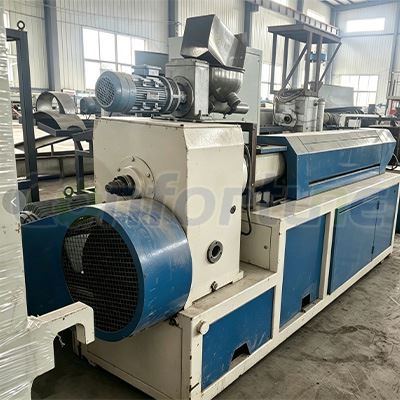
What is the feeding speed control of a used plastic pipe extruder? Well, let me break it down for you. I'm a supplier of Used Plastic Pipe Extruders, and I've dealt with these machines day in and day out. So, I know a thing or two about how they work and, more importantly, how to control their feeding speed.
First off, what's the big deal about feeding speed control? In a plastic pipe extruder, whether it's new or used, the feeding speed is crucial. It directly affects the quality of the pipes being produced. If the feeding speed is too fast, the extruder might not be able to process the plastic properly. This can lead to issues like uneven wall thickness in the pipes, poor surface finish, and even structural weaknesses. On the other hand, if the feeding speed is too slow, the production efficiency will take a nosedive, and you'll end up with lower output and higher costs.
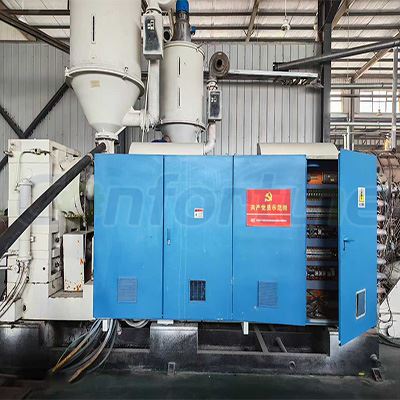
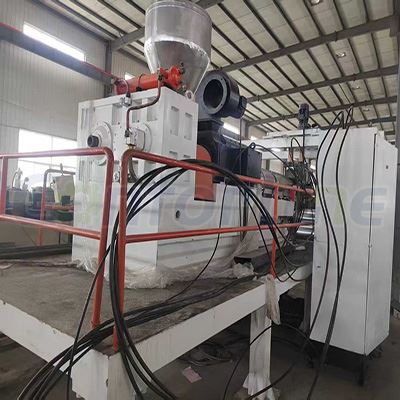
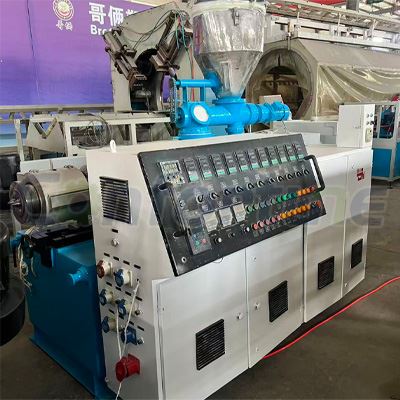
So, how does it work? In a used plastic pipe extruder, the feeding speed control system typically consists of a few key components. There's the feeder, which is responsible for delivering the plastic raw material into the extruder. This can be a screw feeder, a belt feeder, or some other type of feeder, depending on the design of the machine. The feeder is usually driven by a motor, and the speed of this motor can be adjusted to control the feeding rate.
Most modern used plastic pipe extruders come with an electronic control system. This system allows operators to set the desired feeding speed based on the type of plastic being used, the size and specifications of the pipes being produced, and other factors. The control system can also monitor the actual feeding speed in real - time and make automatic adjustments if there are any deviations from the set value.
Let's talk about the factors that influence the feeding speed. One of the most important factors is the type of plastic. Different plastics have different melting points, viscosities, and flow properties. For example, high - density polyethylene (HDPE) has different processing requirements compared to polyvinyl chloride (PVC). HDPE generally has a lower viscosity and flows more easily at a given temperature, so it might require a different feeding speed than PVC.
The size and shape of the plastic raw material also matter. If the plastic comes in large chunks or irregular shapes, it might not feed smoothly into the extruder, and the feeding speed might need to be adjusted accordingly. Some used plastic pipe extruders are equipped with pre - processing equipment, like a grinder or a pelletizer, to ensure that the plastic raw material is in a suitable form for feeding.
The temperature of the extruder barrel is another critical factor. The plastic needs to be heated to a specific temperature range to melt and flow properly. If the temperature is too low, the plastic won't melt completely, and it will be difficult to feed it at a normal speed. If the temperature is too high, the plastic might degrade, which can also affect the feeding process and the quality of the final product.
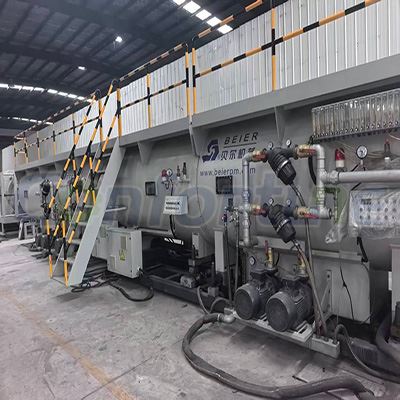
Now, as a supplier of used plastic pipe extruders, I understand that you might be looking for a reliable and cost - effective solution. That's where our used machines come in. We offer a wide range of Used -Second Hand PE/PIPE Pipe Production Line, Used Pipe Extruder, and Second Hand Plastic Pipe Machine. Our machines have been thoroughly inspected and refurbished to ensure that they are in good working condition and can provide stable feeding speed control.
When you buy a used plastic pipe extruder from us, you're not just getting a machine. You're also getting our expertise and support. We can help you choose the right machine based on your specific production requirements. We can assist you with the installation, commissioning, and training of your operators. And if you ever run into any problems with the feeding speed control or any other aspect of the machine, our technical team is always ready to offer solutions.


Let's take a look at some practical tips for adjusting the feeding speed. When you first start using a used plastic pipe extruder, it's a good idea to start with a relatively low feeding speed. This allows you to observe how the machine behaves and make sure that everything is working properly. You can then gradually increase the feeding speed while monitoring the quality of the pipes being produced.
Keep an eye on the pressure and temperature readings in the extruder. If the pressure starts to rise too high, it might be a sign that the feeding speed is too fast. In this case, you should reduce the feeding speed and check for any blockages or other issues in the feeding system.
Regular maintenance of the feeder and the control system is also essential. Over time, the components of the feeder can wear out, and the control system might need calibration. Make sure to clean the feeder regularly to prevent the accumulation of plastic residue, which can affect the feeding performance.
In conclusion, the feeding speed control of a used plastic pipe extruder is a critical aspect of the pipe production process. It requires a good understanding of the machine, the plastic raw material, and the production requirements. As a supplier, we're committed to providing you with high - quality used plastic pipe extruders that can offer reliable feeding speed control. If you're in the market for a used plastic pipe extruder, don't hesitate to get in touch with us. We're here to help you find the right machine for your business and ensure that you get the most out of it.
References
- Plastics Extrusion Technology Handbook, Third Edition by Allan A. Griff
- Extrusion of Polymers: Theory and Practice by Z. Tadmor and C. G. Gogos