

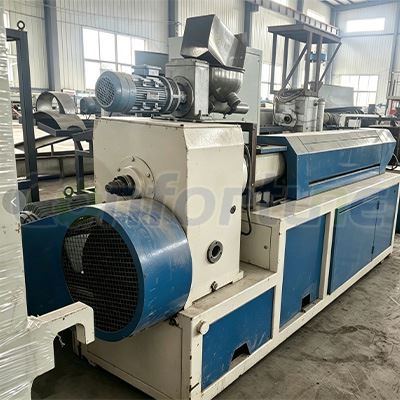
The maximum extrusion speed of a second - hand extruder machine is an important factor that potential buyers often inquire about. As a second - hand extruder machine supplier, I've encountered numerous customers interested in understanding this aspect to make informed purchasing decisions. In this blog, we'll explore the factors influencing the maximum extrusion speed of second - hand extruders and provide insights to help you assess if a particular machine meets your production requirements.
Understanding the Basics of Extrusion Speed
Extrusion speed refers to the rate at which a material is pushed through the extruder's die to form a continuous profile. It is typically measured in units like meters per minute (m/min) or kilograms per hour (kg/h), depending on the application and the type of material being extruded. For instance, in the production of plastic pipes, the speed might be measured in m/min, while for pelletizing processes, kg/h is a more common unit.
Factors Affecting the Maximum Extrusion Speed of Second - Hand Extruders
1. Machine Design and Specifications
The design of the extruder plays a crucial role in determining its maximum extrusion speed. Older second - hand extruders may have limitations due to their original design. For example, the screw design can significantly impact the material flow and, consequently, the extrusion speed. A well - designed screw with the right pitch, compression ratio, and flight depth can efficiently convey and melt the material, allowing for higher extrusion speeds.
The diameter of the extruder barrel also matters. Larger diameter barrels can generally handle more material at once, potentially enabling higher extrusion speeds. However, this also depends on the power of the motor driving the screw. A motor with insufficient power may not be able to push the material through the barrel at high speeds, even if the barrel diameter is large.
2. Material Properties
The type of material being extruded has a direct impact on the maximum extrusion speed. Different materials have different melting points, viscosities, and flow characteristics. For example, polymers with low viscosity, such as polyethylene, can be extruded at higher speeds compared to materials with high viscosity, like polycarbonate.
The moisture content in the material can also affect the extrusion process. Excess moisture can cause foaming or inconsistent flow, reducing the maximum achievable extrusion speed. Therefore, proper drying of the material before extrusion is essential to maintain optimal speed and product quality.
3. Condition of the Second - Hand Machine
Since we're dealing with second - hand extruders, the condition of the machine is a significant factor. Wear and tear on the screw, barrel, and other components can reduce the efficiency of the extrusion process. For example, a worn - out screw may not be able to convey the material effectively, leading to a decrease in extrusion speed.
Regular maintenance and refurbishment can help improve the performance of a second - hand extruder. We, as a second - hand extruder machine supplier, often perform thorough inspections and necessary repairs on the machines we offer. This includes replacing worn parts, such as the screw and barrel liners, to ensure that the machine can operate at its maximum potential.


4. Die Design
The die is the component that shapes the extruded material. A well - designed die can minimize resistance to the material flow, allowing for higher extrusion speeds. The shape, size, and internal surface finish of the die all affect the flow of the material. For example, a die with a smooth internal surface will reduce friction and enable the material to flow more easily, resulting in higher extrusion speeds.
Assessing the Maximum Extrusion Speed of a Second - Hand Extruder
When evaluating a second - hand extruder, it's important to consider the machine's history and specifications. Look for information about the original manufacturer's rated extrusion speed. However, keep in mind that the actual maximum speed may be lower due to the factors mentioned above.
Conducting a test run with the specific material you plan to use is the best way to determine the real - world extrusion speed. This will give you a clear idea of how the machine performs under your production conditions.
Our Offerings
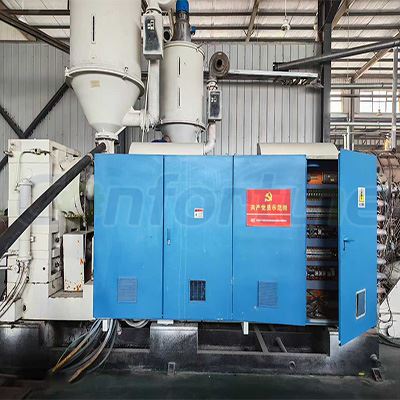
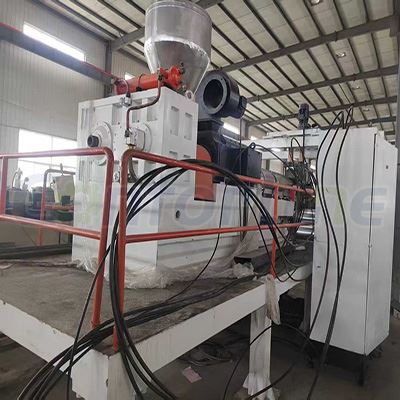
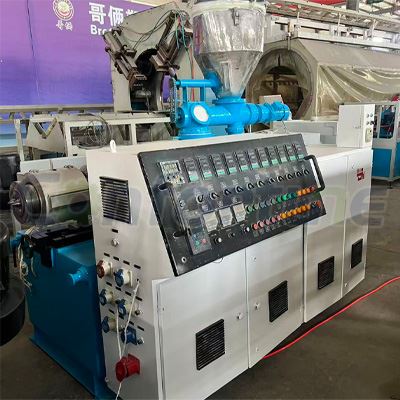
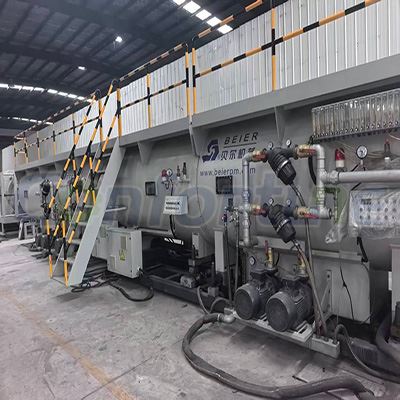
As a second - hand extruder machine supplier, we offer a wide range of high - quality machines. Our inventory includes Used Pet Sheet Line Machine, Second Hand Plastic Extrusion Machine, and Used Double Wall Bellows Production Line. Each machine is carefully inspected and refurbished to ensure optimal performance.
We understand that every customer has unique production requirements. That's why we're committed to providing personalized solutions. Whether you need a machine for small - scale production or a high - volume manufacturing operation, we can help you find the right second - hand extruder with the appropriate maximum extrusion speed.
Contact Us for Purchasing and Negotiation
If you're interested in purchasing a second - hand extruder machine, we invite you to contact us. Our team of experts is ready to assist you in selecting the right machine based on your production needs. We can provide detailed information about the maximum extrusion speed of each machine in our inventory and answer any questions you may have.
Don't miss out on the opportunity to acquire a cost - effective second - hand extruder that meets your production requirements. Reach out to us today to start the negotiation process.
References
- "Extrusion of Polymers: Theory and Practice" by Z. Tadmor and C. G. Gogos.
- "Handbook of Plastic Extrusion Technology" by Edward A. Grulke.