

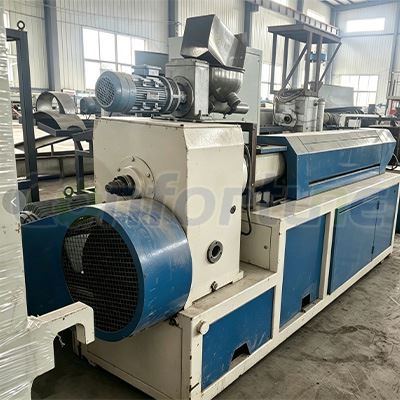
What is the weight of a second hand extruder? Well, that's a question I get asked a lot as a second hand extruder supplier. And the answer isn't as straightforward as you might think.
First off, let me tell you a bit about what an extruder is. An extruder is a machine that pushes material through a die to create a specific shape. It's used in a whole bunch of industries, like plastics, food, and even pharmaceuticals. Now, when it comes to second hand extruders, there are all sorts of different types out there, and each one can have a different weight.
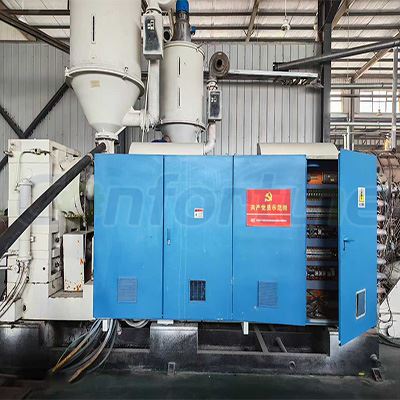
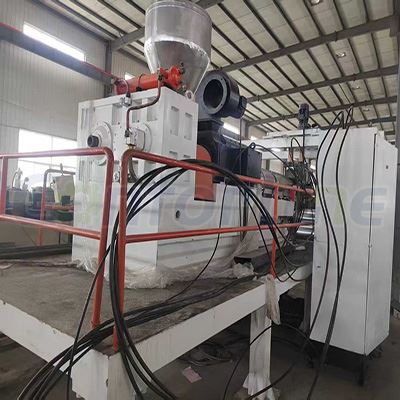
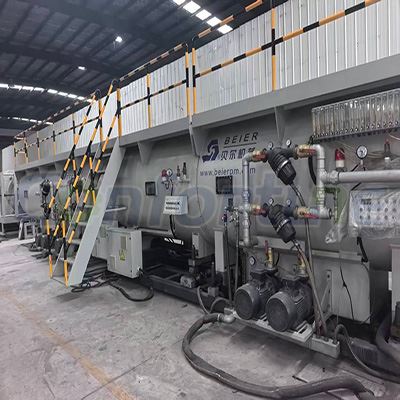
Let's start with the Used Extruder Machine. These machines come in all shapes and sizes, and their weight can vary widely depending on factors like the size of the barrel, the type of screw, and the overall construction. A small, benchtop used extruder might weigh just a few hundred pounds, while a large industrial - scale one could tip the scales at several tons.
For example, a basic single - screw extruder used for small - scale plastic processing might weigh around 500 - 1000 pounds. This kind of extruder is often used by small businesses or hobbyists. On the other hand, a big, heavy - duty extruder for large - scale manufacturing can easily weigh 5000 pounds or more.


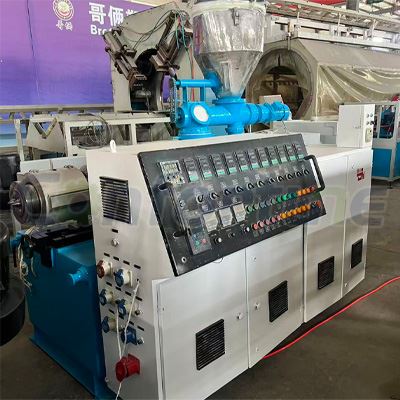
Then there's the Used Single Screw Extruder. These are pretty common in the plastics industry. The weight of a used single - screw extruder depends a lot on its length and diameter. A short, small - diameter single - screw extruder might be relatively light, say around 300 - 600 pounds. But a long, large - diameter one could weigh upwards of 2000 pounds.
The design of the single - screw extruder also plays a role. Some have additional features like heaters, cooling systems, and control panels, which can add to the weight. And if the extruder has been modified or upgraded over the years, it might be heavier than a standard model.
Now, let's talk about the Old Conical Twin Screw Extruder. These are a bit more complex than single - screw extruders. They have two intermeshing screws that rotate in a conical shape. Because of their more complex design and larger size, old conical twin - screw extruders tend to be heavier.
A typical old conical twin - screw extruder can weigh anywhere from 1500 to 6000 pounds. The weight depends on the capacity of the extruder, the materials used in its construction, and the complexity of its internal components. For instance, an extruder with a high - capacity output and advanced mixing capabilities will likely be heavier than a basic model.
Why does the weight of a second hand extruder matter? Well, there are a few reasons. First of all, if you're planning to move the extruder, you need to know how much it weighs so you can arrange for the right kind of transportation. A heavy extruder might require a large truck or even a crane to move it safely.
Secondly, the weight can give you an idea about the quality and durability of the machine. Generally, a heavier extruder is likely to be more robust and better built. It might also be more stable during operation, which can lead to better product quality.
When you're considering buying a second hand extruder, it's important to get accurate information about its weight. This can usually be found in the machine's specifications or by asking the previous owner. If you're not sure, you can always hire a professional to weigh the machine for you.
Another thing to keep in mind is that the weight of the extruder can affect its energy consumption. A heavier machine might require more power to operate, which could increase your operating costs. So, it's a good idea to factor this into your decision - making process.
As a second hand extruder supplier, I've seen all kinds of extruders, and I know how important it is to have a clear understanding of their weight. Whether you're a small business owner looking for a cost - effective solution or a large manufacturer in need of a reliable machine, the weight of the extruder can play a crucial role in your purchasing decision.
If you're in the market for a second hand extruder and want to learn more about the weight and other features of different models, don't hesitate to reach out. I'd be more than happy to answer any questions you have and help you find the right extruder for your needs. We can discuss the weight, the price, and any other details to make sure you get the best value for your money.
So, if you're interested in exploring our range of second hand extruders, just drop us a line. We're here to make the purchasing process as smooth and easy as possible for you. Whether you need a small, lightweight extruder for a niche application or a large, heavy - duty one for mass production, we've got you covered.
In conclusion, the weight of a second hand extruder can vary greatly depending on the type, size, and features of the machine. It's an important factor to consider when buying a second hand extruder, as it can impact transportation, durability, energy consumption, and overall cost. So, do your research, ask the right questions, and make an informed decision.
References:
- Industry knowledge and experience as a second - hand extruder supplier.
- General understanding of extruder technology and manufacturing processes.