

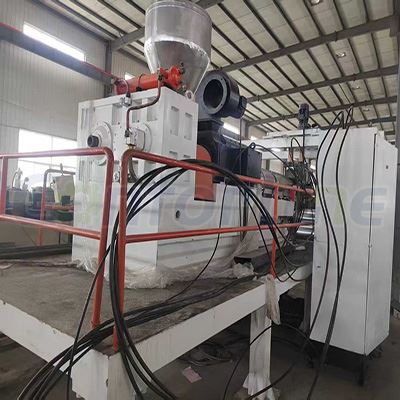
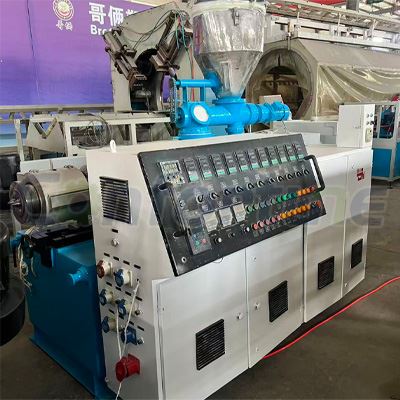
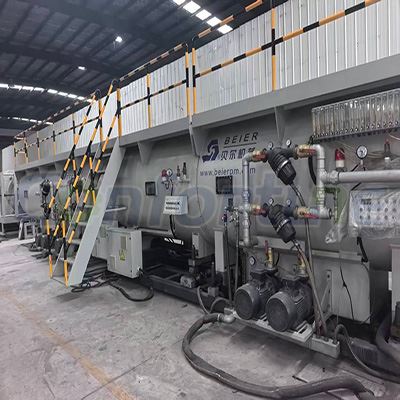
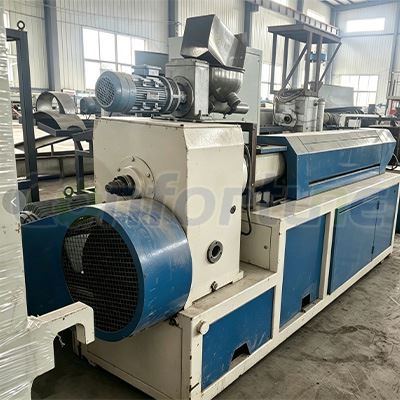
If you plan to expand your recycling capacity with a used plastic pelletizing line, you know the biggest worry: low upfront price may turn into heavy repair costs and long downtime. Many recyclers choose second-hand extrusion lines to cut investment, but proper evaluation decides whether the deal is profitable or a trap.
Step 1: Confirm Basic Documentation & Application Match
Before physical inspection, collect these files first:
- Original manufacturer, build year, total running hours
- Full layout list: shredder, crusher, washing tank, dryer, extruder, screen changer, die head, pelletizer, cooling system
- Former processed materials: PP, PE, PET, HDPE or mixed waste plastic
- Service log, repair records and spare parts replacement history
Step 2: Focus on Core Wear Parts
These components take 70% of your overhaul budget if worn out:
- Screw & Barrel Check surface abrasion, measure clearance. Too big gap leads to low output, unstable melt and high power consumption.
- Gearbox & Main Motor Listen for abnormal noise; check oil leakage, oil colour and vibration. Gearbox failure can stop the whole line suddenly.
- Die Plate & Pellet Cutter Look for blocked holes, cracks, worn blades. Uneven pellets usually come from bad die or dull cutters.
- Screen Changer & Vacuum Degassing System Critical for removing impurities and bubbles. Poor vacuum causes many rejects in final pellets.
Step 3: On-site Test Run - Never Skip This
A static check is not enough. Always run the line with your own raw material sample:
- Watch feeding stability, no surging or blocking
- Check motor current, melt pressure and temperature curve
- Check pellet quality: uniform size, no black spots, no bubbles
- Check water, oil and air leakage during continuous running
- Count real output vs the seller's claimed capacity
Step 4: Electrical, Control & Utility Check
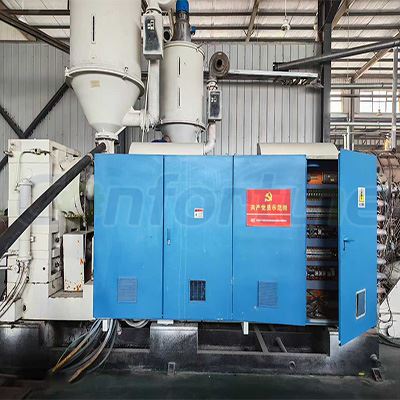
Old control cabinets are common hidden trouble points:
- Temperature controllers, thermocouples, pressure sensors
- PLC, frequency converter, emergency stop function
- Confirm power requirement, water cooling and workshop space match your factory
Step 5: Calculate True ROI, Not Just Price
Do not judge only by the selling price. Work out these costs:
- Cost of worn spare parts replacement
- Transportation, installation and commissioning fee
- Energy consumption per kg pellets
- Maintenance frequency and downtime risk
Common Pitfalls to Avoid
- Trust only photos and videos without site inspection
- Ignore whether the line can handle your plastic waste
- Underestimate rebuild cost of screw, barrel and gearbox
- Forget local environmental and safety requirements
FAQ
Q: Can an old pelletizing line work as good as new?
A: Yes, if core parts are well maintained and matched with your material. But you need to reserve overhaul budget.
Q: Which pelletizing type is easier to find second-hand?
A: Strand pelletizing lines are widely available and easier to repair. Water-ring and underwater types need stricter cooling and cutter inspection.
Q: What information should I ask the supplier for quotation?
A: Material type, required output, pelletizing method, local power standard and available workshop space.
We supply new and rebuilt plastic pelletizing extrusion lines for recycling PP PE PET HDPE. If you need professional assessment support or spare parts for your used granulator line, feel free to contact us.
Hot Tags: second-hand/uesd pvc granulation production line, China second-hand/uesd pvc granulation production line manufacturers, suppliers, used plastic granules drying machine, used plastic granules screening machine, used plastic granules melting machine, recycled granules refining device, second hand granules shaping equipment, Used Plastic Granules Making Machine