

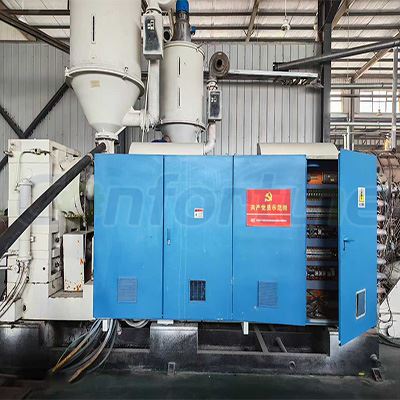
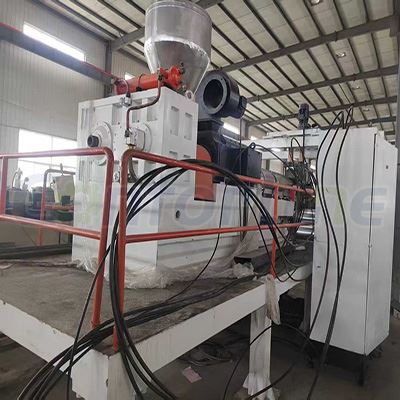
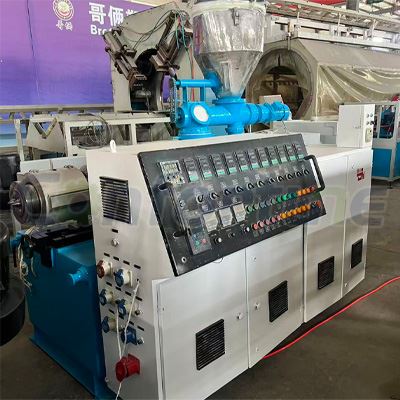
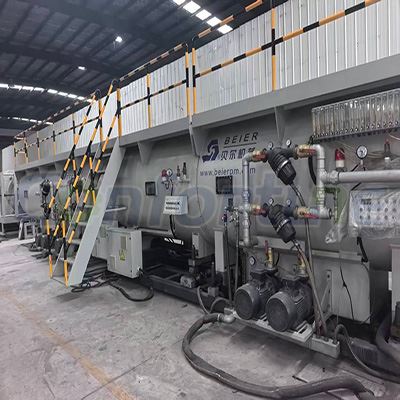
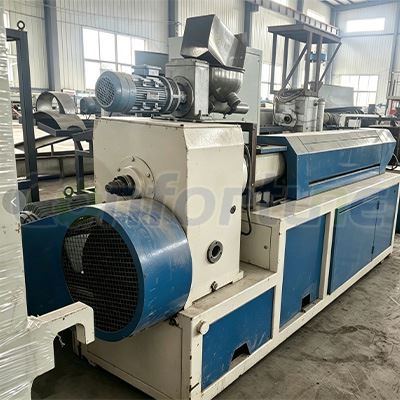
In the dynamic landscape of the manufacturing industry, used pipe machines have emerged as a viable and cost - effective solution for many businesses. As a supplier of used pipe machines, I often get asked the question: "Do used pipe machines require special training to operate?" This blog post aims to delve into this topic comprehensively, exploring various aspects related to operating used pipe machines.
The Nature of Used Pipe Machines
Used pipe machines come in different types and models, each designed for specific functions. For instance, there are machines for producing PVC Foam Board, which are used in a wide range of applications such as advertising boards, furniture, and construction. These machines typically involve processes like extrusion, where raw PVC materials are melted and shaped into foam boards.
Another common type is the Second Hand PVC Pipe Machine. PVC pipes are widely used in plumbing, irrigation, and drainage systems. The operation of these machines requires an understanding of how to control the extrusion speed, temperature, and pressure to ensure the production of high - quality pipes with the right dimensions and wall thickness.
The Secondhand Or Used PE Pipe Extrusion Production Line is also popular. PE pipes are known for their flexibility, durability, and resistance to corrosion. Operating this production line involves coordinating multiple components, including the extruder, cooling system, and cutting equipment.
Reasons Why Special Training May Be Required
Technical Complexity
Used pipe machines, regardless of their type, are complex pieces of equipment. They involve multiple mechanical, electrical, and hydraulic components working in harmony. For example, the extrusion process in a pipe - making machine requires precise control of temperature. If the temperature is too high, the plastic material may degrade, resulting in poor - quality pipes. On the other hand, if the temperature is too low, the material may not melt properly, leading to blockages in the machine. Special training helps operators understand the technical specifications of the machine, how to monitor and adjust these parameters, and troubleshoot common issues.
Safety Concerns
Safety is of utmost importance when operating any industrial machinery. Used pipe machines can pose significant risks if not operated correctly. The moving parts of the machine, such as conveyor belts, gears, and extruders, can cause serious injuries if an operator's clothing, hair, or body parts get caught in them. Additionally, the high - temperature components used in the melting process can cause burns. Special training programs cover safety procedures, including how to use personal protective equipment (PPE), lock - out/tag - out procedures to prevent accidental startup of the machine during maintenance, and emergency response protocols.
Machine - Specific Features
Each used pipe machine may have unique features and settings based on its make, model, and previous usage. Some machines may have advanced control systems with touch - screen interfaces, while others may rely on more traditional manual controls. Training allows operators to familiarize themselves with these machine - specific features, enabling them to operate the machine efficiently and effectively.
Situations Where Special Training May Not Be Necessary
Simple and Basic Machines
There are some used pipe machines that are relatively simple in design and operation. For example, small - scale manual pipe cutters or basic pipe bending machines may not require extensive training. These machines have straightforward functions, and operators can quickly learn how to use them through on - the - job training or by referring to the machine's user manual.
Experienced Operators
If a company has operators who are already experienced in working with similar pipe - making equipment, they may not need extensive special training for a used pipe machine. These operators have a good understanding of the general principles of pipe manufacturing, such as material handling, temperature control, and extrusion processes. However, they may still benefit from a short orientation session to familiarize themselves with the specific features of the used machine.
Benefits of Special Training
Improved Product Quality
Well - trained operators are more likely to produce high - quality pipes. They know how to set the correct parameters for the machine, such as temperature, pressure, and speed, which directly affects the quality of the final product. This can lead to fewer defects, less waste, and higher customer satisfaction.
Increased Machine Efficiency
Proper training helps operators use the machine more efficiently. They can optimize the production process, reduce downtime, and increase the overall output of the machine. This translates into cost savings for the company, as the machine is being used to its full potential.
Reduced Maintenance Costs
Trained operators are better at detecting early signs of machine problems. They can perform basic maintenance tasks, such as cleaning, lubricating, and tightening loose parts, which can prevent major breakdowns. By identifying and addressing issues early, the company can save on expensive repair costs and keep the machine in good working condition for a longer period.
Training Options
Manufacturer - Provided Training
Many used pipe machine manufacturers offer training programs for their equipment. These programs are usually comprehensive and cover all aspects of machine operation, maintenance, and safety. Manufacturer - provided training is beneficial because the trainers are experts in the specific machine and can provide in - depth knowledge and support.


In - House Training
Some companies choose to develop their own in - house training programs. This allows them to customize the training to meet the specific needs of their operators and the company's production processes. In - house training can be more cost - effective, especially for companies with a large number of operators.
External Training Providers
There are also external training providers that specialize in industrial machinery training. These providers offer a range of training courses for different types of pipe machines. They can provide a more objective and standardized training experience, and may also offer certifications upon completion of the training.
Conclusion
In conclusion, while there are situations where special training for used pipe machines may not be strictly necessary, in most cases, it is highly recommended. The technical complexity, safety concerns, and machine - specific features of these machines make it essential for operators to receive proper training. The benefits of training, including improved product quality, increased machine efficiency, and reduced maintenance costs, far outweigh the investment in training.
If you are considering purchasing a used pipe machine, or if you already have one and are looking for training solutions, we are here to help. As a leading supplier of used pipe machines, we have extensive knowledge and experience in this field. We can provide you with detailed information about the machines we offer, as well as guidance on training options. Contact us to start a discussion about your specific needs and how we can assist you in achieving your production goals.
References
- Industrial Machine Handbook, 2023 Edition
- Safety Guidelines for Pipe Manufacturing Equipment, National Institute of Occupational Safety and Health
- Best Practices in Pipe Machine Operation, International Pipe Manufacturing Association