

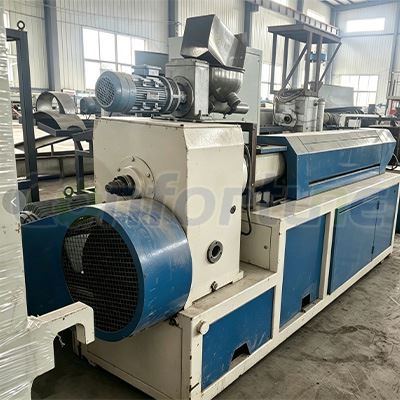
What is the heat generation of a second hand PE mixer during operation?
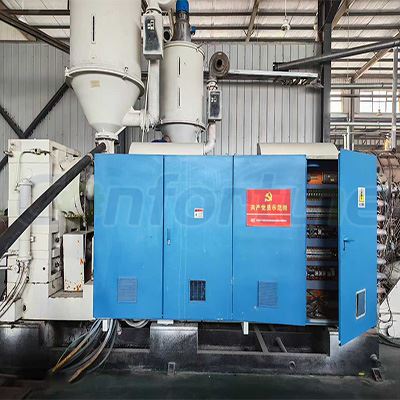
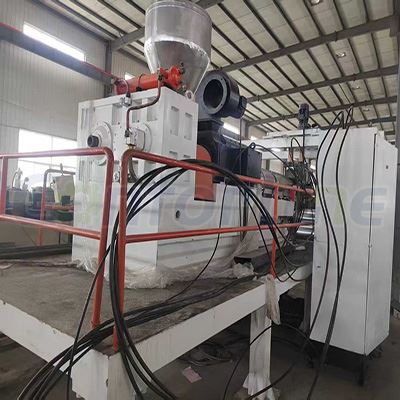
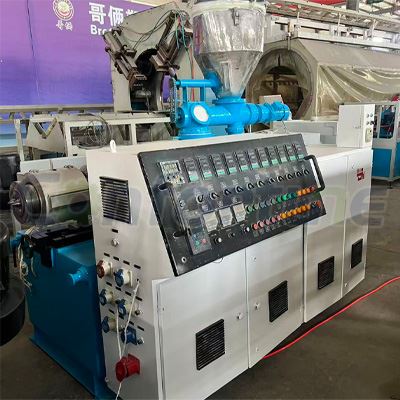
As a supplier of second - hand PE mixers, I often get asked about the heat generation of these machines during operation. Understanding the heat generation process is crucial for anyone looking to purchase a used PE mixer, as it can impact the efficiency, performance, and longevity of the equipment.
The Basics of PE Mixing and Heat Generation
Polyethylene (PE) is a widely used thermoplastic polymer, and the mixing process is an essential step in its production and processing. When a second - hand PE mixer is in operation, heat is generated through several mechanisms.
One of the primary sources of heat is mechanical friction. As the mixer's blades or paddles rotate, they come into contact with the PE material. The friction between the moving parts of the mixer and the polymer causes the molecules of the PE to rub against each other. This molecular friction converts mechanical energy into thermal energy, leading to an increase in the temperature of the material being mixed.
Another significant factor is the viscous dissipation of the polymer. PE has a certain viscosity, and when it is sheared by the mixer's components, the energy required to deform the viscous polymer is converted into heat. The more viscous the PE material, the more heat is generated during the shearing process.
The power input to the mixer also plays a role in heat generation. The electric motor that drives the mixer consumes electrical energy. A portion of this energy is converted into mechanical work to rotate the mixing elements, but some of it is lost as heat due to the inefficiencies in the motor and the transmission system.
Factors Affecting Heat Generation
There are several factors that can influence the amount of heat generated by a second - hand PE mixer during operation.
Material Properties: Different types of PE have different viscosities and thermal properties. High - density polyethylene (HDPE) has a higher viscosity compared to low - density polyethylene (LDPE). As a result, mixing HDPE in a second - hand mixer will generally generate more heat than mixing LDPE under the same operating conditions. The moisture content in the PE material can also affect heat generation. Moisture can act as a lubricant, reducing friction to some extent, but it can also cause steam generation if the temperature rises high enough, which may have an impact on the overall heat balance.
Mixing Speed: The rotational speed of the mixer's blades or paddles is directly related to the heat generation. Higher mixing speeds increase the mechanical friction and the rate of shearing of the PE material. For example, if you increase the speed of a second - hand PE mixer from 100 revolutions per minute (RPM) to 200 RPM, the heat generation will likely increase significantly. However, it's important to note that running the mixer at extremely high speeds can also cause excessive wear and tear on the equipment.
Mixing Time: The longer the mixer operates, the more heat is generated. Prolonged mixing can lead to a continuous increase in temperature, which may be beneficial in some cases, such as when trying to achieve a more homogeneous blend. But if the temperature rises too high, it can cause thermal degradation of the PE material, affecting its quality.
Mixer Design: The design of the second - hand PE mixer itself can impact heat generation. Mixers with well - designed blades or paddles that provide efficient shearing and mixing will generally generate heat more effectively. Additionally, the insulation of the mixer can affect the heat loss to the surroundings. A mixer with better insulation will retain more of the generated heat, which can be an advantage in some processes where maintaining a certain temperature is important.
Implications of Heat Generation
The heat generated during the operation of a second - hand PE mixer has several implications for the mixing process and the final product.
Product Quality: If the temperature rises too high, the PE material can undergo thermal degradation. This can lead to changes in the molecular structure of the polymer, resulting in reduced mechanical properties such as strength and toughness. On the other hand, if the temperature is too low, the mixing may not be thorough enough, leading to an inhomogeneous blend. Therefore, it is essential to control the heat generation to ensure consistent product quality.
Energy Consumption: Heat generation is closely related to energy consumption. As the mixer generates more heat, it may require more energy to maintain the desired operating conditions. This can increase the overall cost of production. By understanding the factors that affect heat generation, operators can optimize the mixing process to reduce energy consumption.
Equipment Lifespan: Excessive heat generation can also have a negative impact on the lifespan of the second - hand PE mixer. High temperatures can cause thermal expansion of the mixer's components, leading to increased wear and tear. It can also affect the lubrication of the moving parts, reducing their efficiency and potentially causing premature failure.


Controlling Heat Generation
To ensure the efficient and reliable operation of a second - hand PE mixer, it is important to control the heat generation.
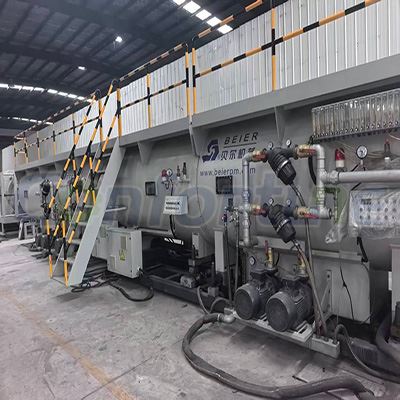
Cooling Systems: Many second - hand PE mixers are equipped with cooling systems, such as water - cooled jackets. These systems can remove excess heat from the mixer, preventing the temperature from rising too high. The cooling water can be circulated through the jacket to absorb the heat generated during the mixing process.
Monitoring and Control: Using temperature sensors and controllers, operators can monitor the temperature of the PE material during mixing. If the temperature exceeds a certain setpoint, the mixing speed can be adjusted, or the cooling system can be activated to bring the temperature back to the desired range.
Proper Material Handling: Ensuring that the PE material is properly prepared before mixing can also help control heat generation. For example, drying the material to reduce its moisture content can prevent steam generation and associated heat transfer issues.
Related Second - Hand Equipment
If you are in the market for second - hand equipment related to polymer processing, we also offer a range of other useful machines. Check out our [Used High And Lower Mixer](/used - extruder - equipment/used - extruder - accessories/used - high - and - lower - mixer.html), which can be a great addition to your production line. We also have [Second Hand Laser Printing](/used - extruder - equipment/used - extruder - accessories/second - hand - laser - printing.html) equipment for various marking and identification needs. And for those looking for a different type of mixer, our [Second Hand Hot and Cold Mixer](/used - extruder - equipment/used - extruder - accessories/second - hand - hot - and - cold - mixer.html) might be the perfect fit.
Conclusion
In conclusion, the heat generation of a second - hand PE mixer during operation is a complex process influenced by multiple factors such as material properties, mixing speed, mixing time, and mixer design. Understanding these factors is essential for optimizing the mixing process, ensuring product quality, reducing energy consumption, and prolonging the lifespan of the equipment.
If you are interested in purchasing a second - hand PE mixer or have any questions about heat generation and its implications, feel free to contact us for more information and to start a procurement discussion. We are here to help you make the best choice for your business.
References
- "Polymer Processing: Principles and Practice" by Christopher Rauwendaal.
- "Mixing in Polymer Processing" edited by James L. White and Klaus W. Potente.